Tourist attractions
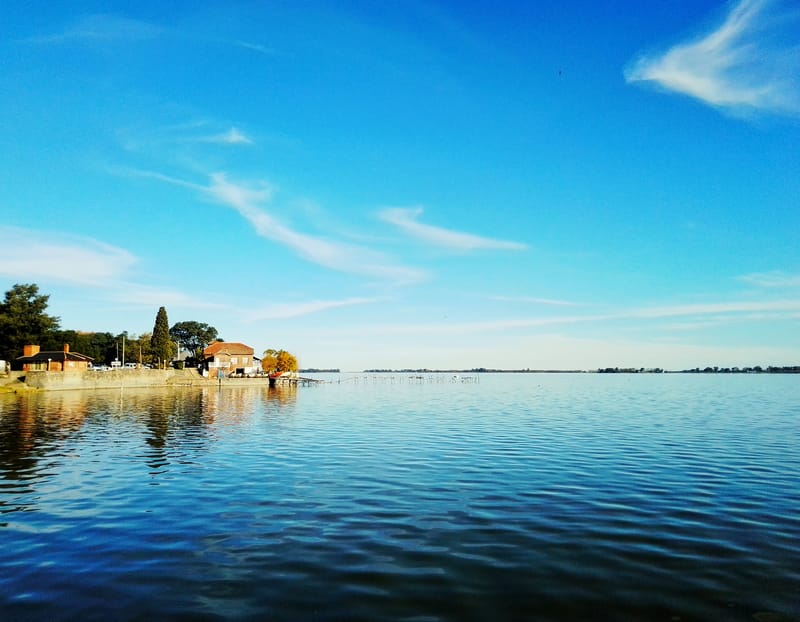
Chascomús Lagoon
It is the largest in the interconnected system of seven lagoons within a magnificent wetland, considered unique in the world for its biodiversity and ecological characteristics. It covers 3,044 hectares. Its waters are home to a variety of fish, most notably the silverside, which is bred and protected by the Hydrobiological Station in our city.
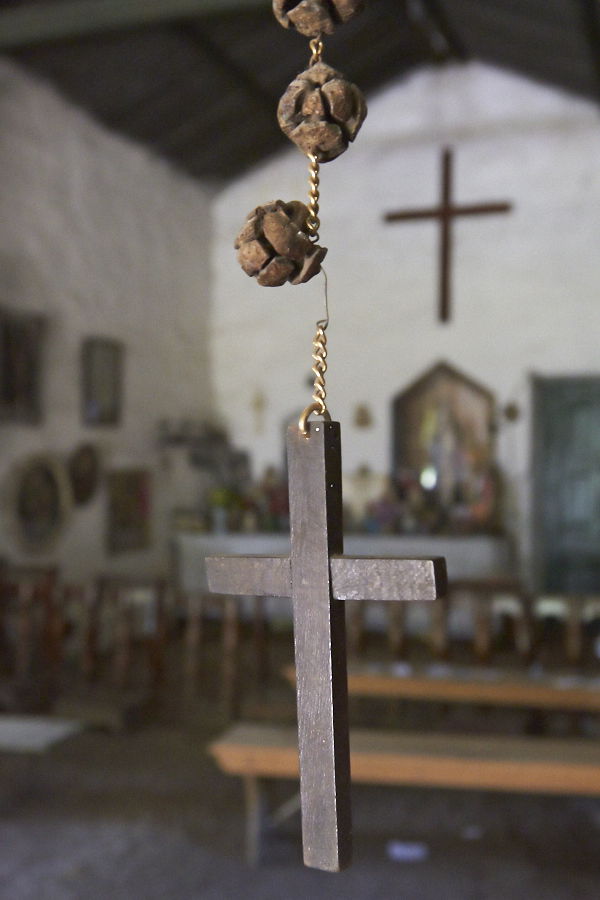
Chapel of the Blacks
The Chapel of the Blacks in the Argentine city of Chascomús (Buenos Aires Province) was built in 1867 as the headquarters of a Black brotherhood. Today, the building has a zinc roof, exposed walls, and a dirt floor. It houses a rustic image of the Black Virgin of Miracles, an ancient carving venerated by the local Black community. Beside it stands the Virgin of the Rosary, surrounded by offerings. The chapel served as a medical center during the cholera epidemics of the second half of the 19th century.
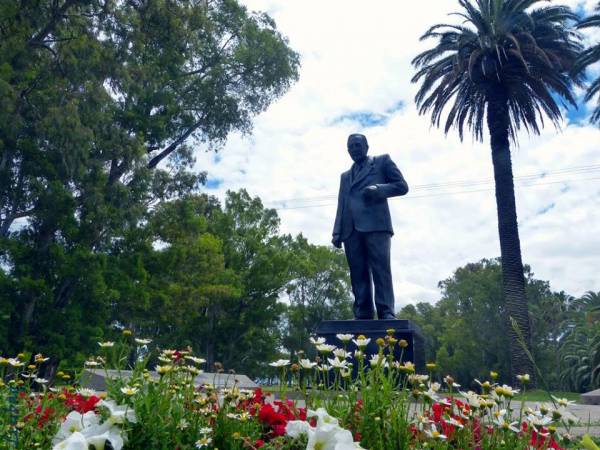
South Free Park
The Parque de los Libres del Sur (Park of the Free Men of the South) is adjacent to the Museo Pampeano (Pampas Museum) and also borders the lagoon's shore at its central bathing area. It comprises eight hectares of lush woodland and a wide variety of species; it is a haven of peace for those who enjoy its ample shade. Among its trees are pines, eucalyptus, cedars, carob trees, hackberry trees, and beautiful shrubs.
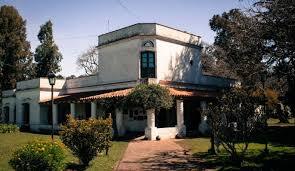
Pampean Museum
It was created in 1939 to commemorate the centenary of the Battle of Chascomús. Its seven permanent exhibition rooms reflect local history from pre-Hispanic settlement and its evolution in both urban and rural areas. The building is a replica of the "Mensajerías Argentinas" Post House that once existed in San Isidro, belonging to Juan Martín de Pueyrredón.