Welcome to Jumaluan Cabins
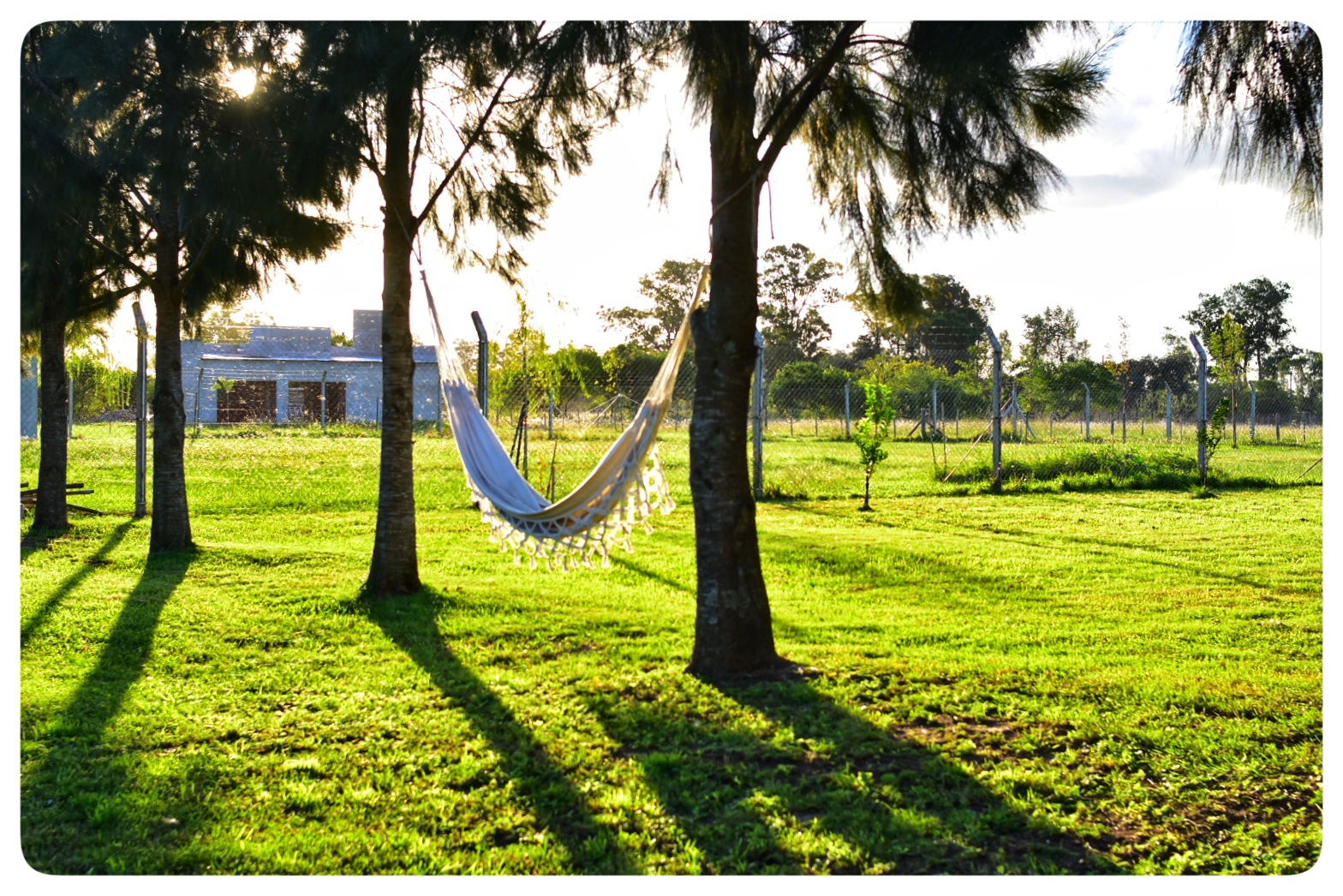
We invite you to explore a place surrounded by nature, a place to disconnect and relax.
Our cabins
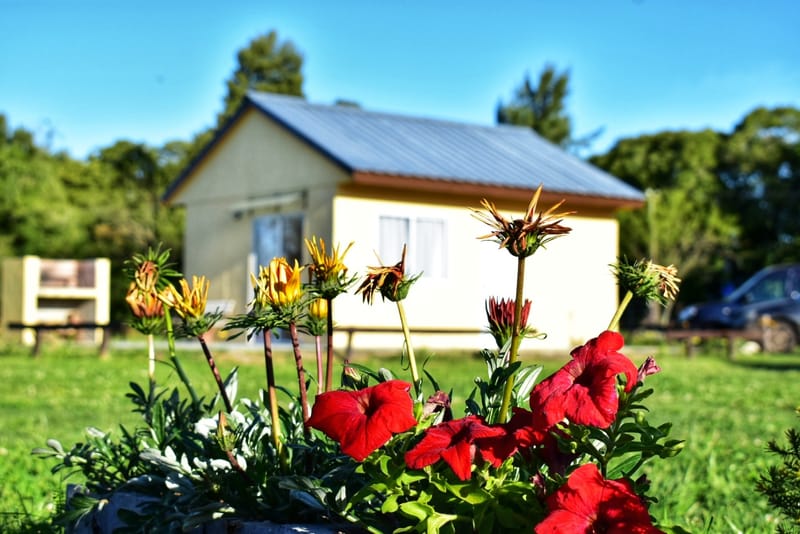
SERVICES
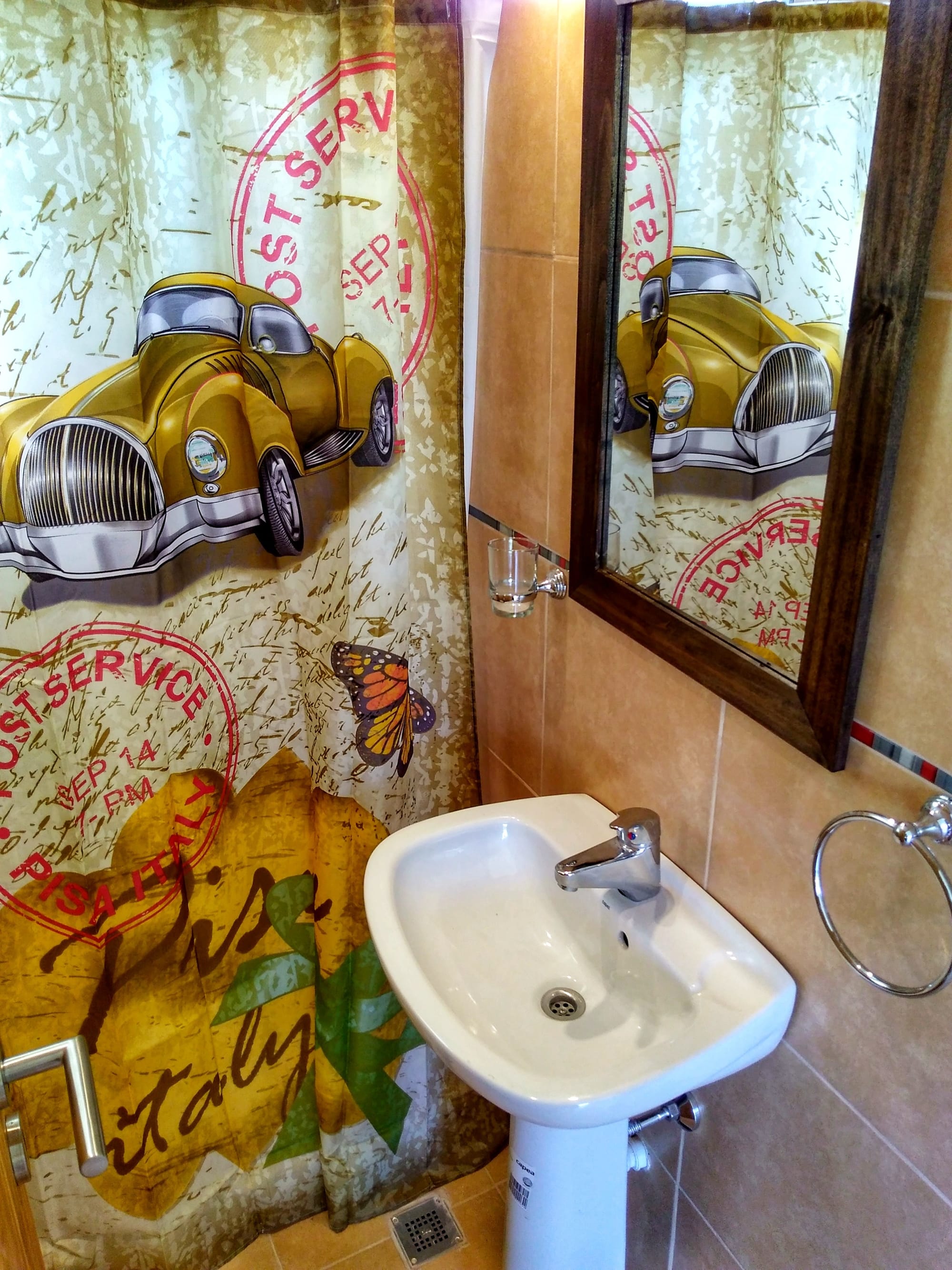
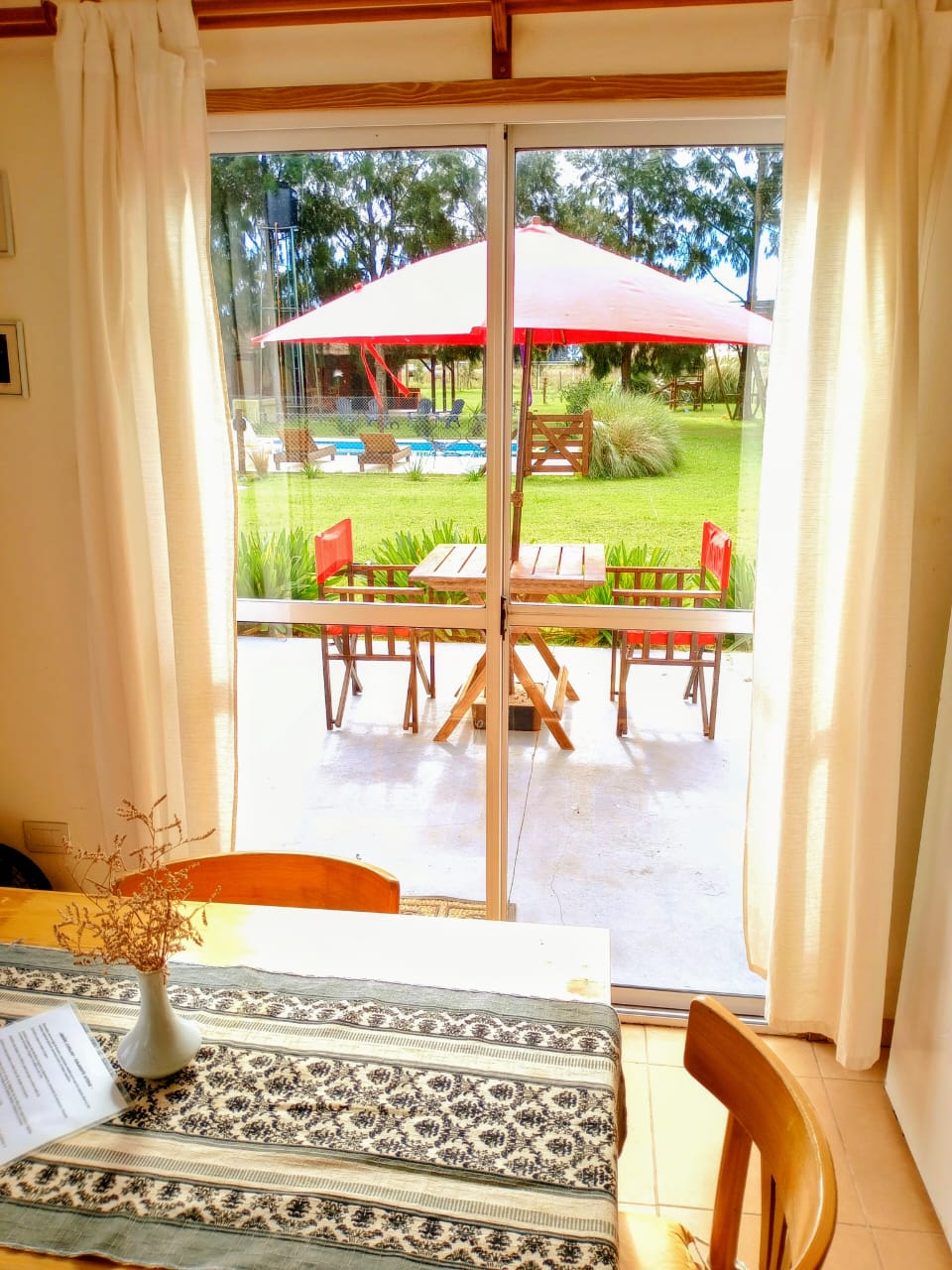
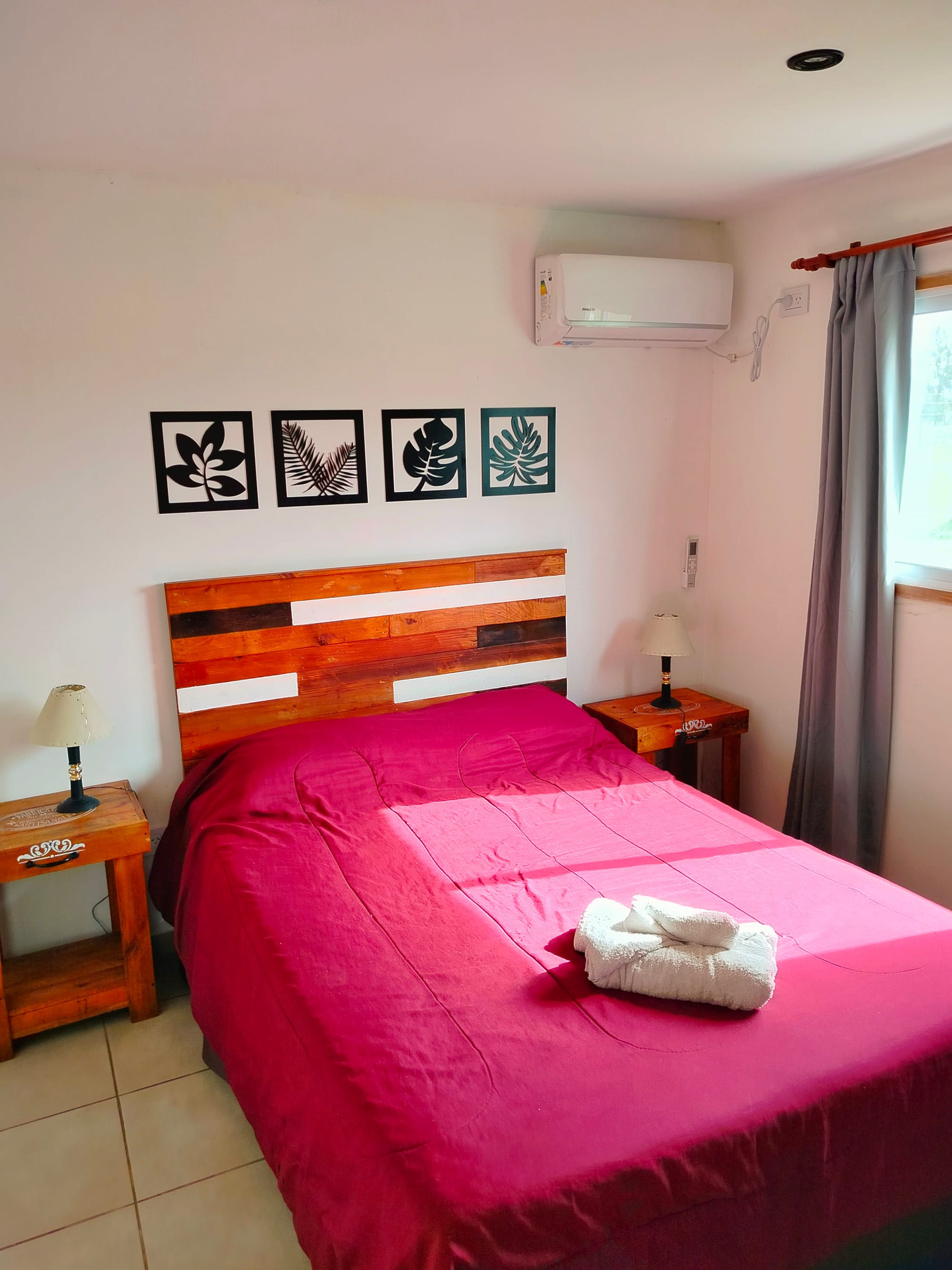
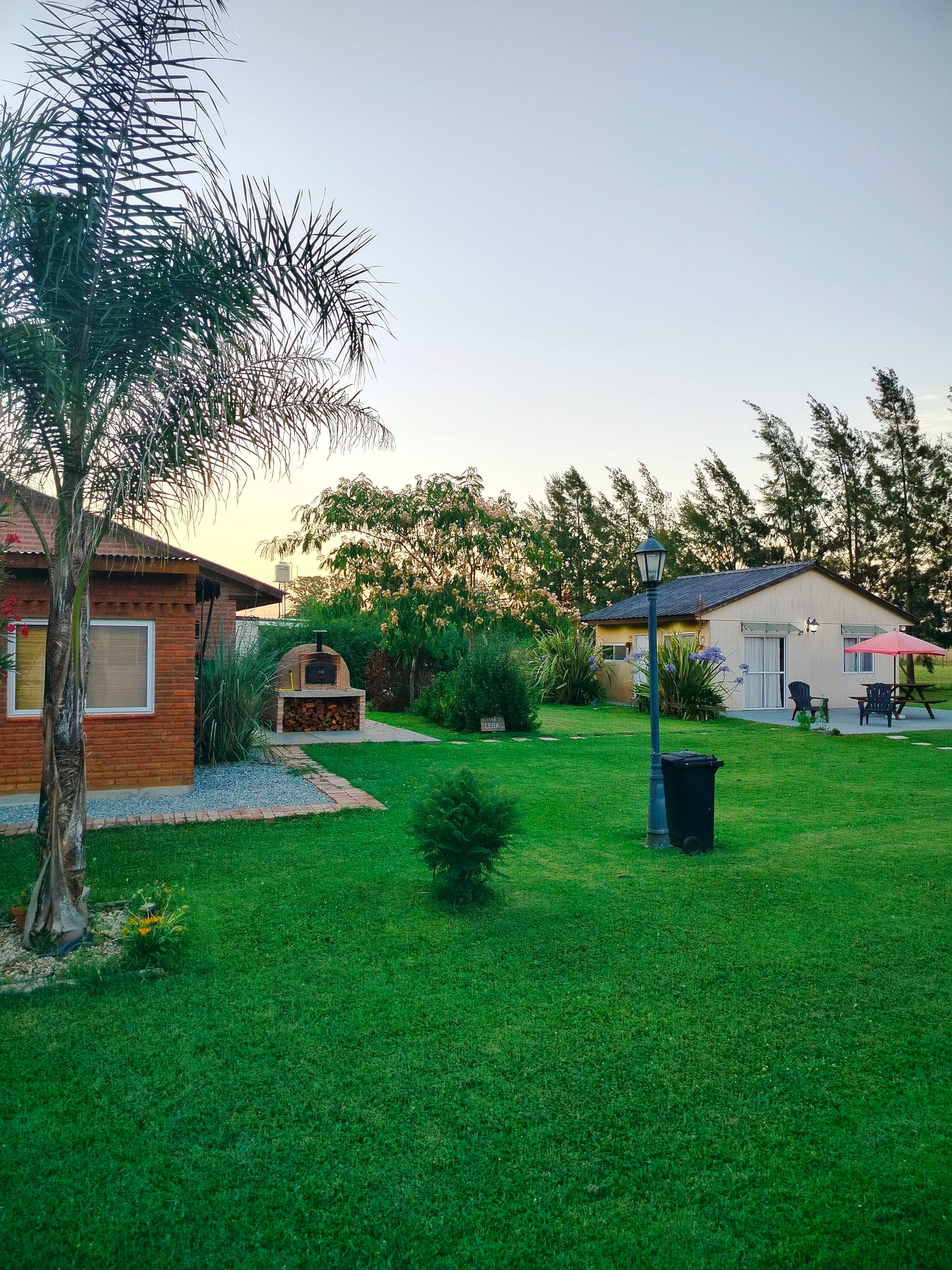
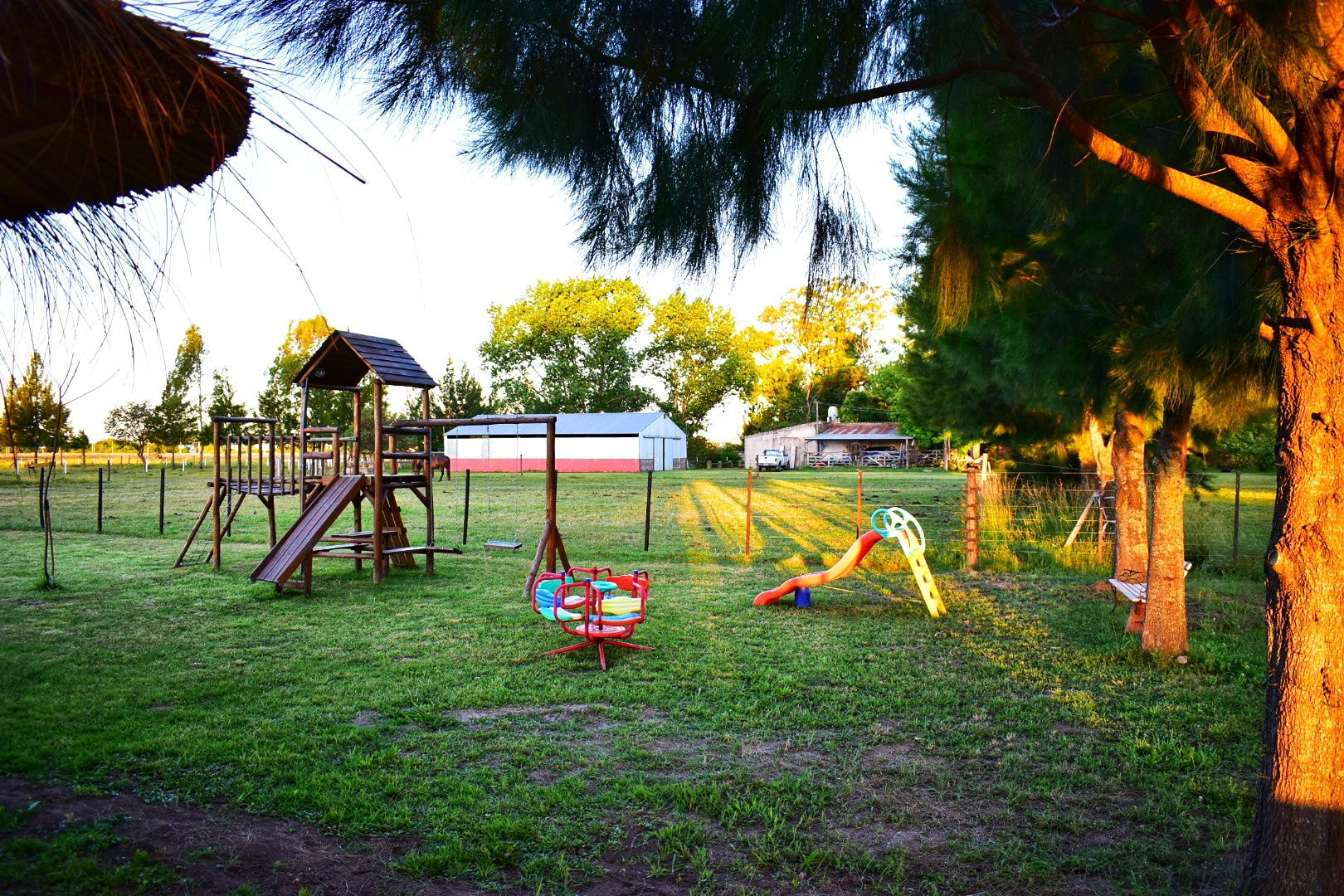
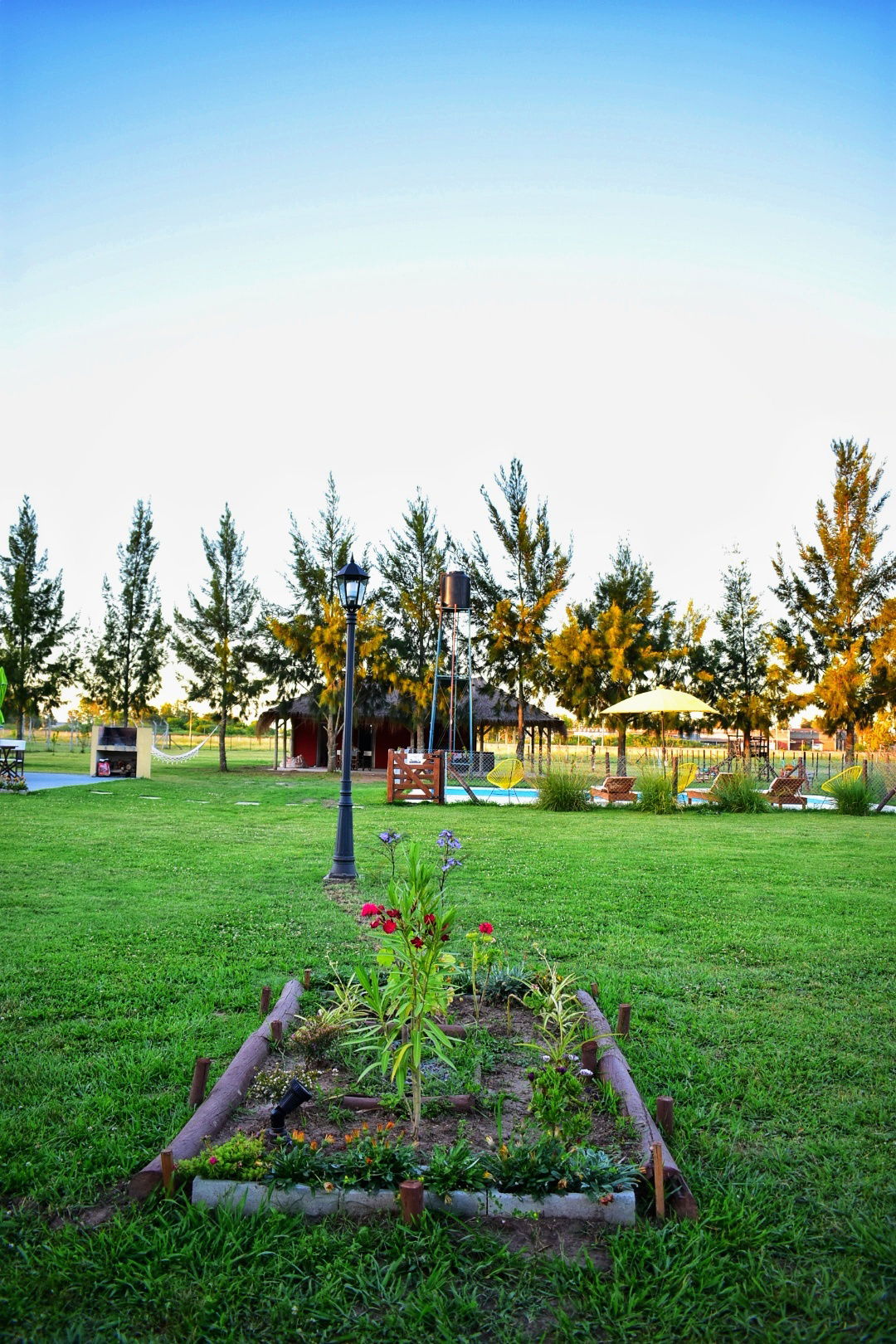
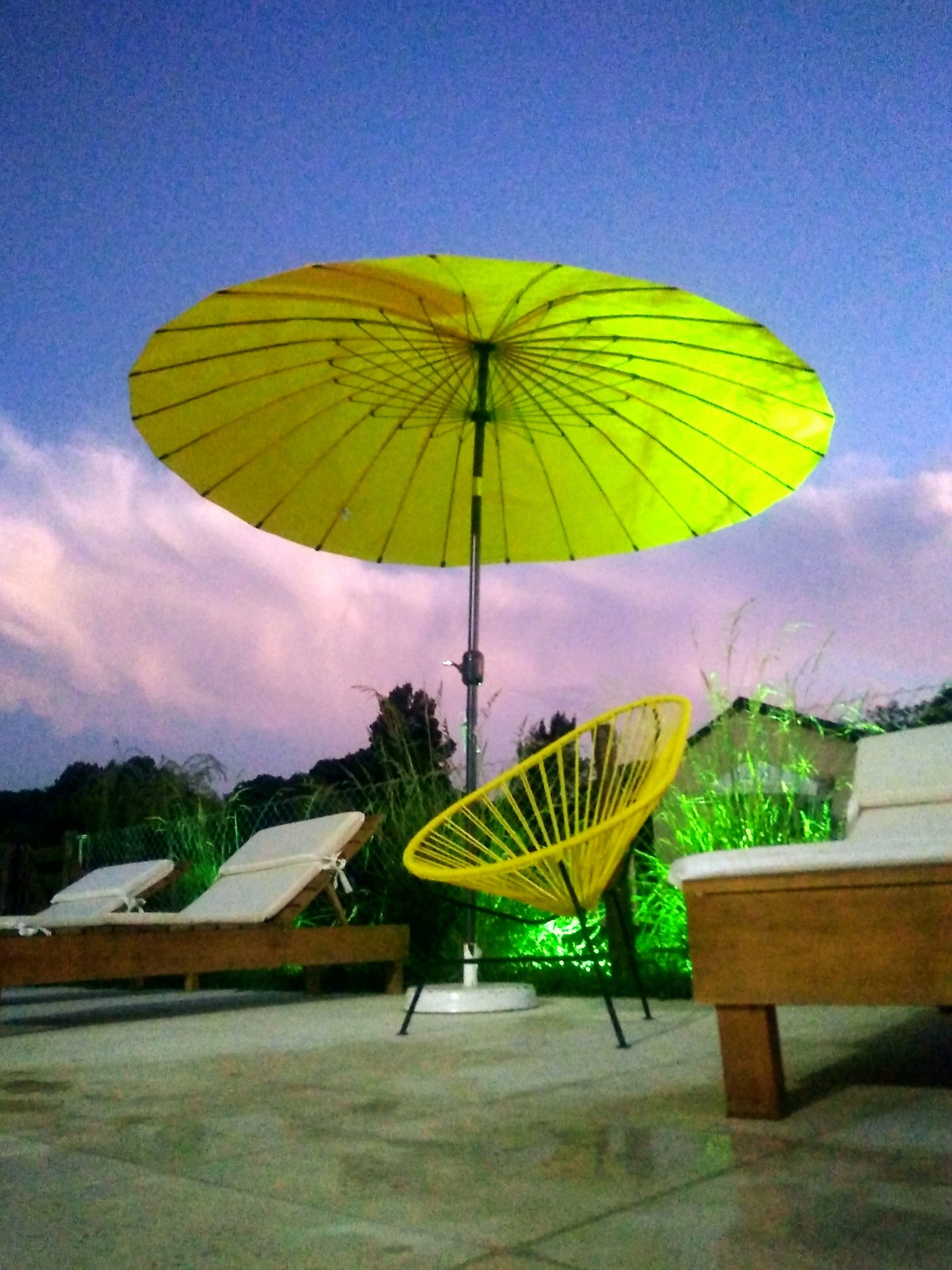
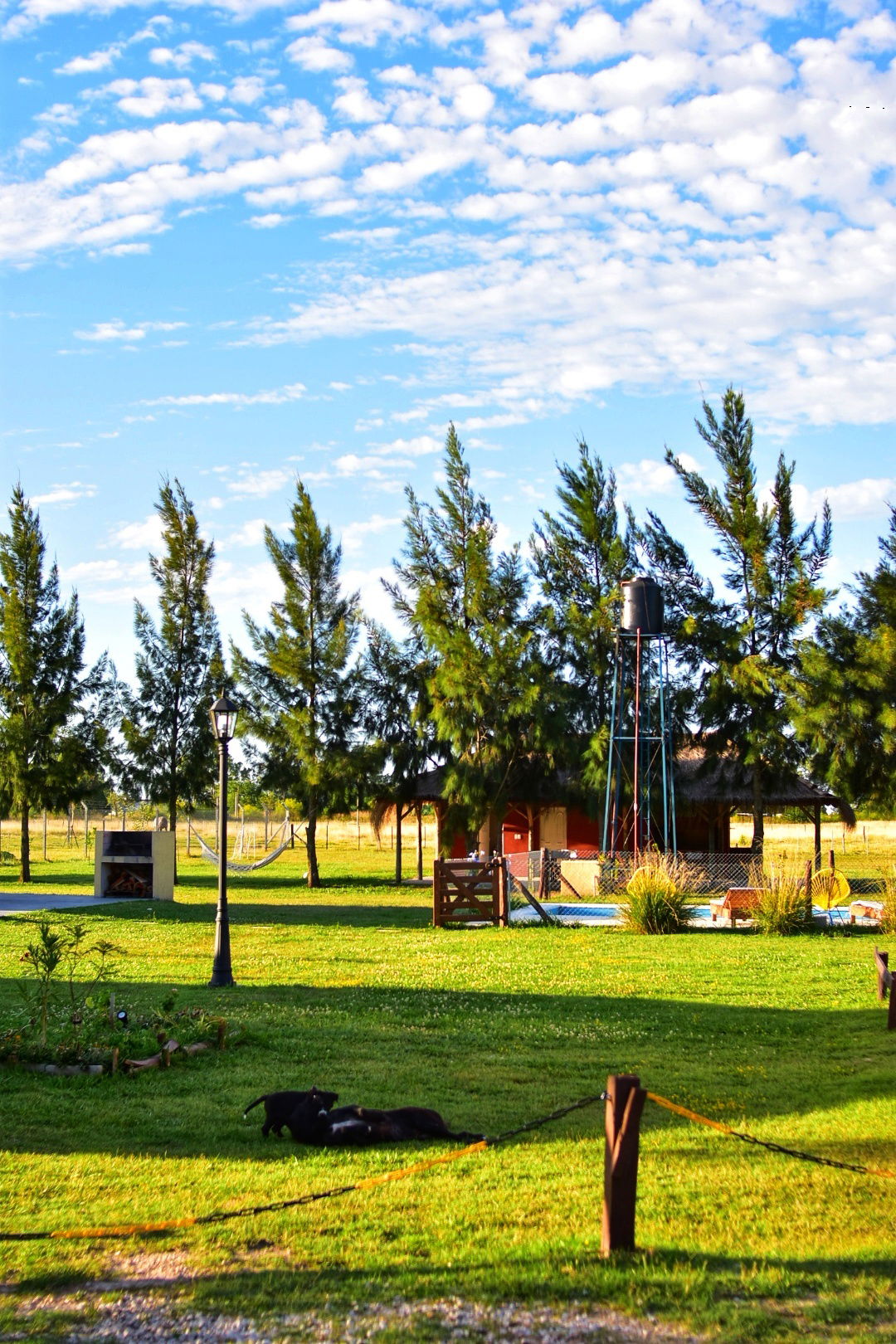
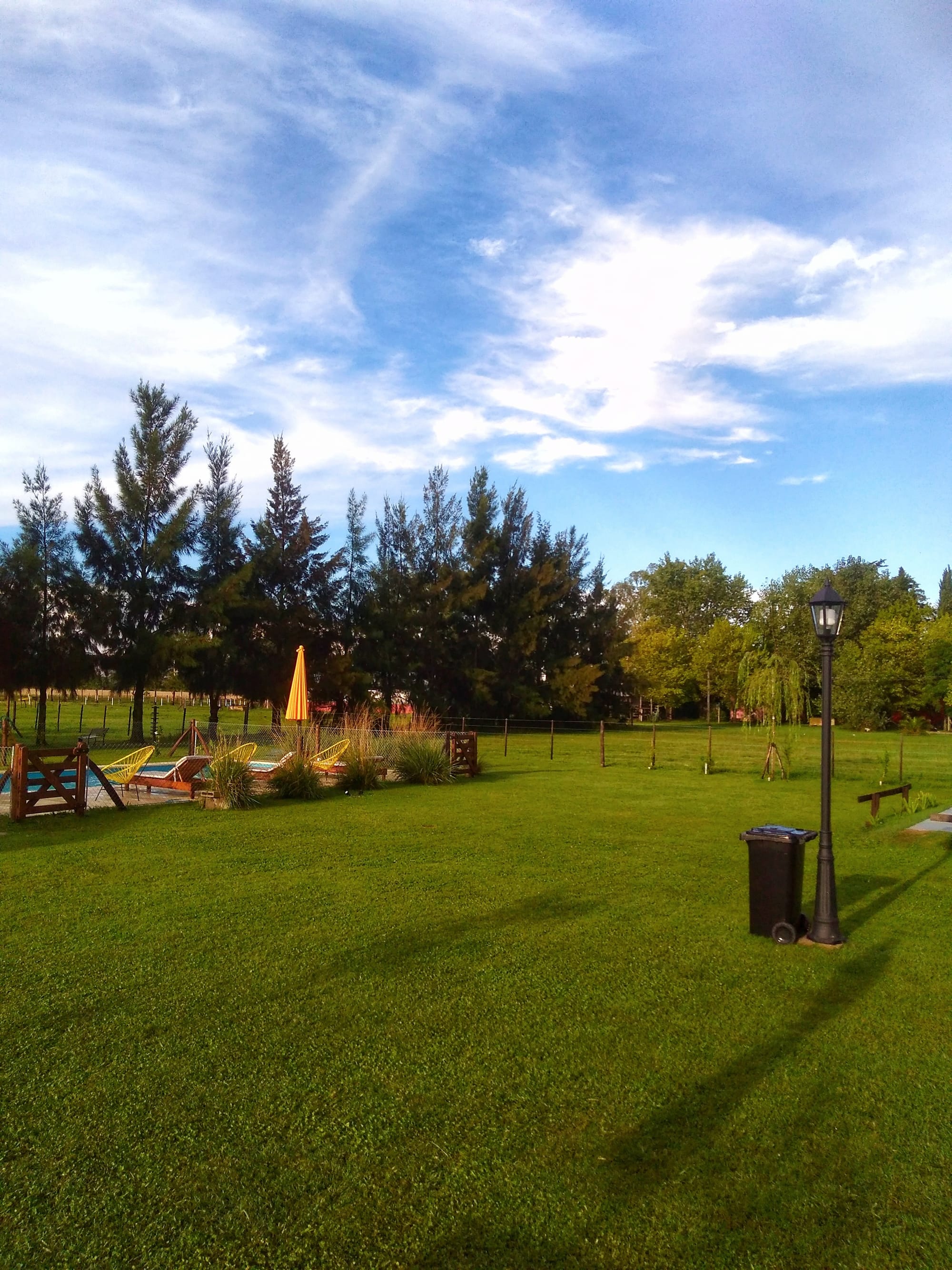
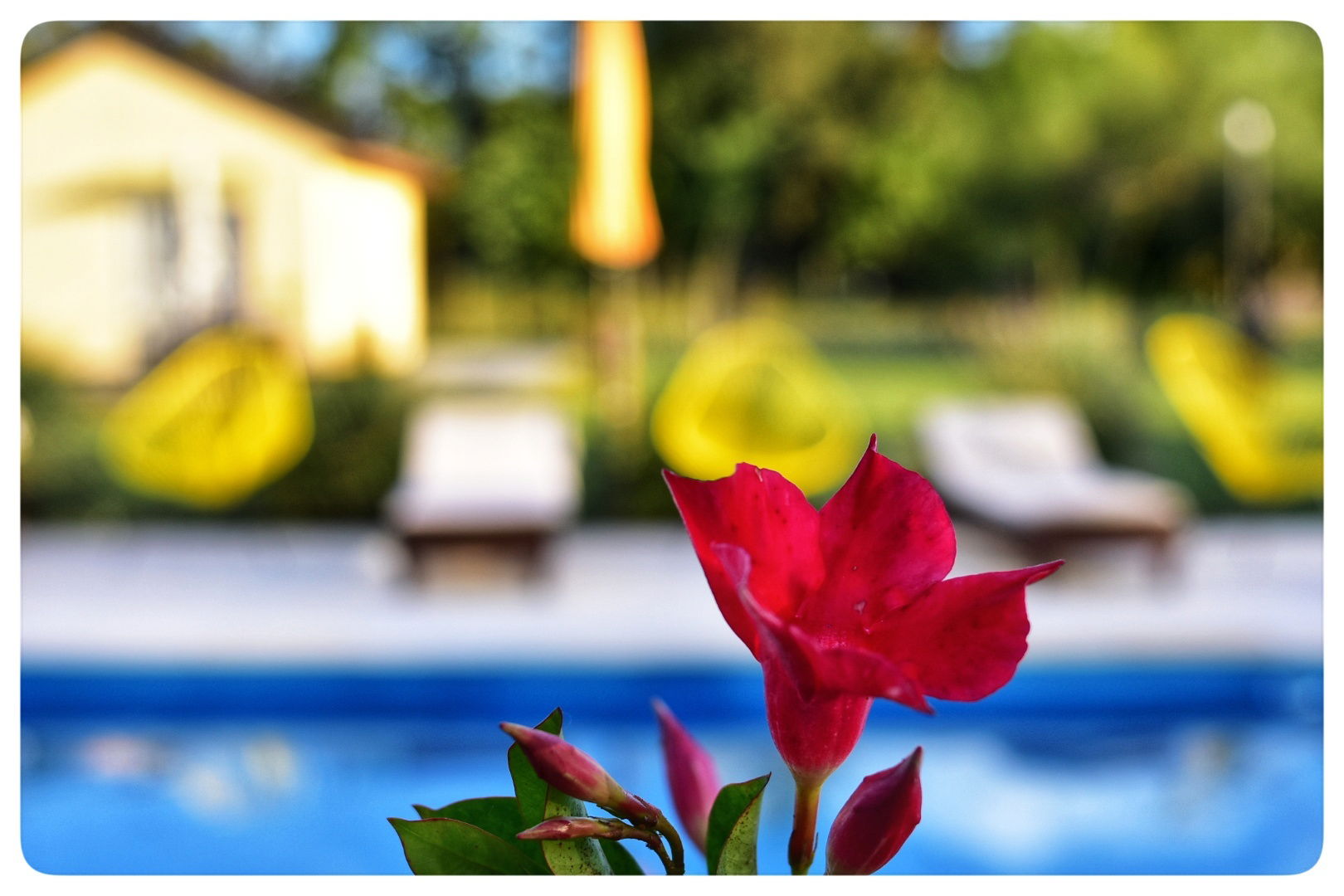
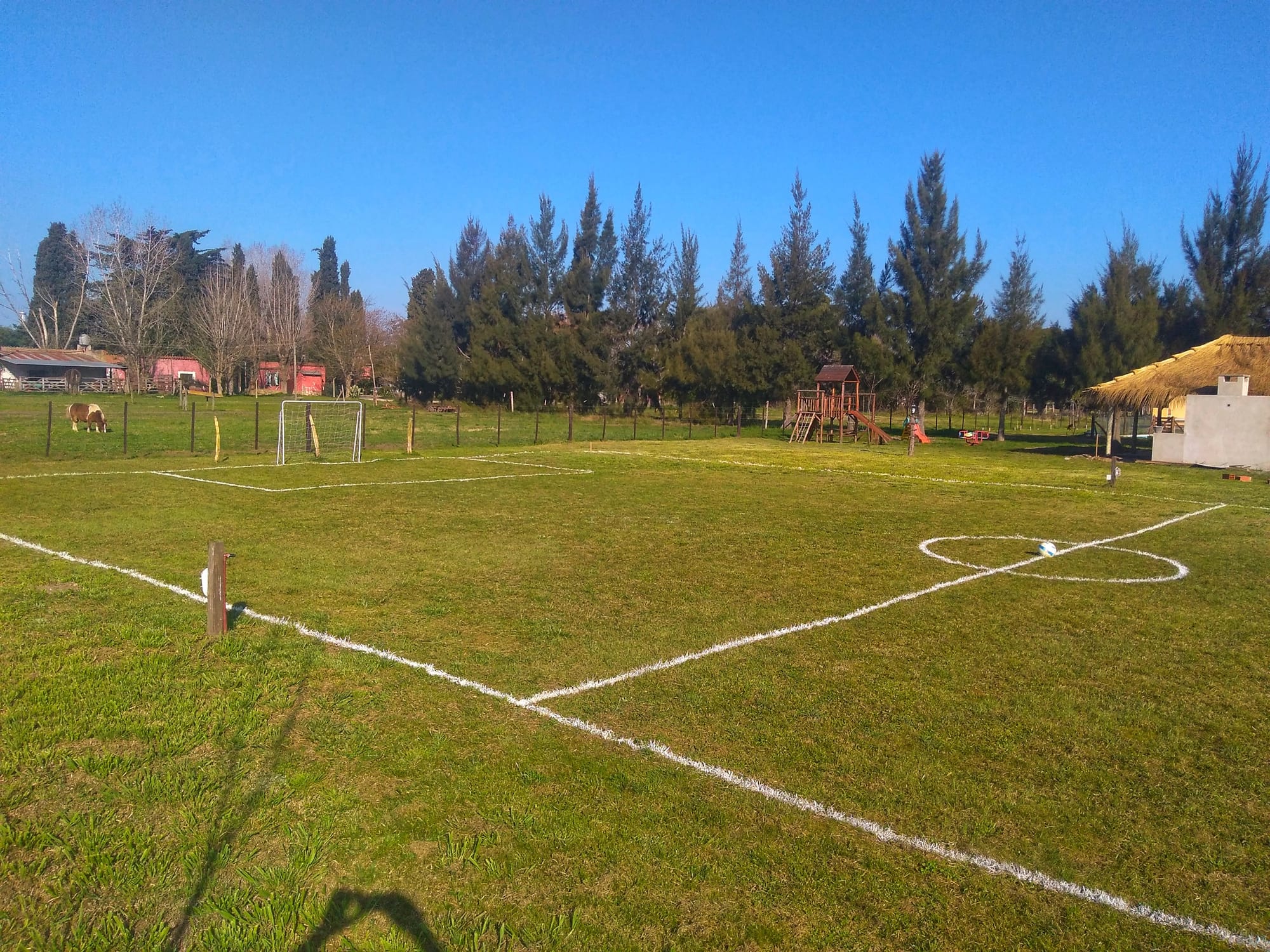
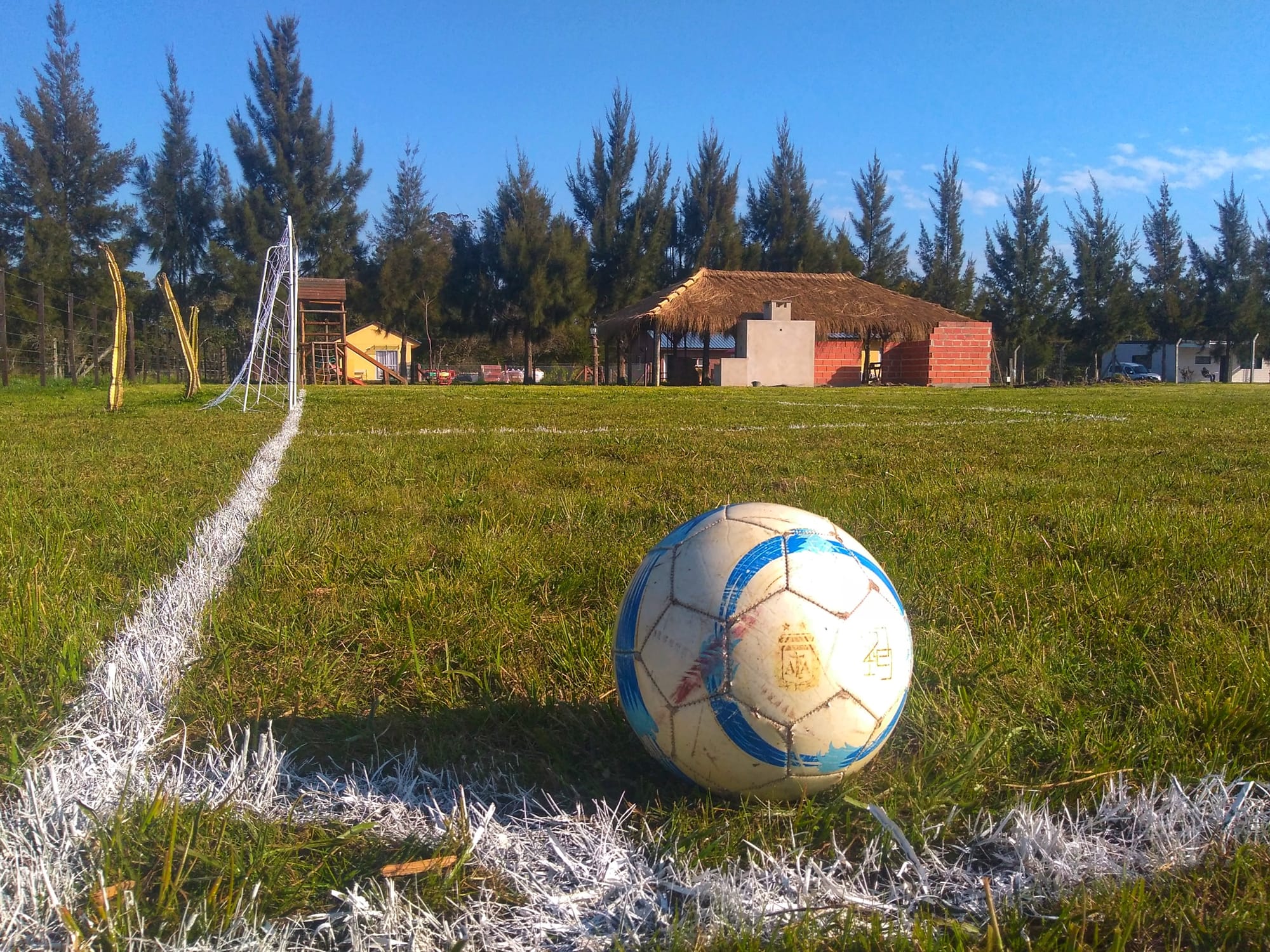
Cabañas totalmente equipadas Parrillas individuales Servicio de wifi & DirecTV Quincho con parrilla y baño Estacionamiento techado Cancha de fútbol y voley Pileta con solárium Amplio parque
Learn More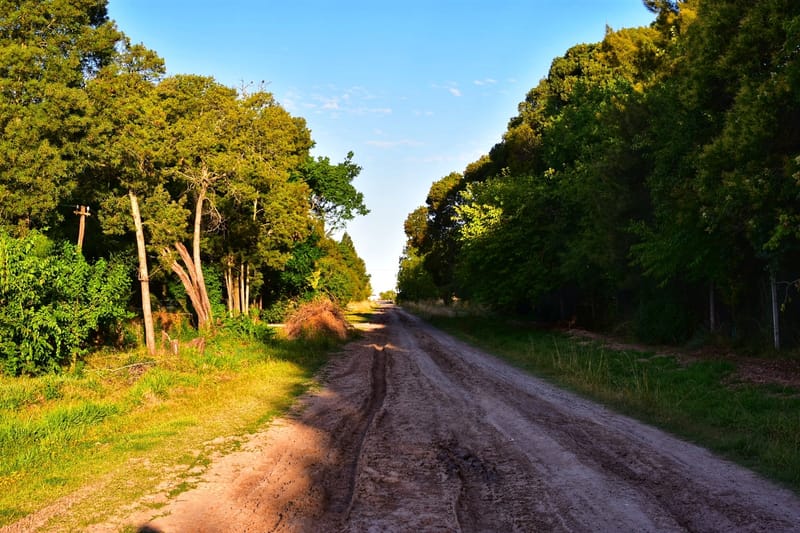
Where we are
On Juana de Azurduy Street, meters from Provincial Route 2, in a rural setting in the heart of the Los Antiguos neighborhood of the city of Chascomús
Learn More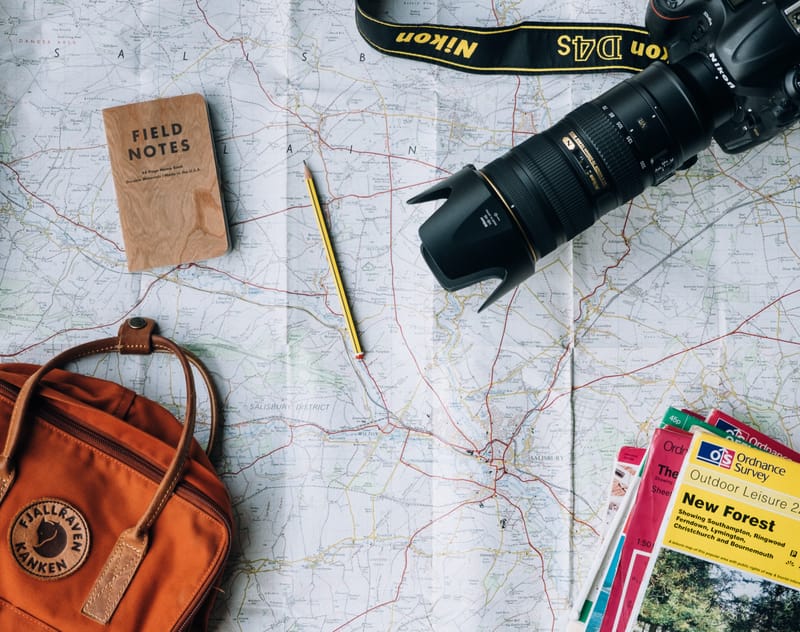
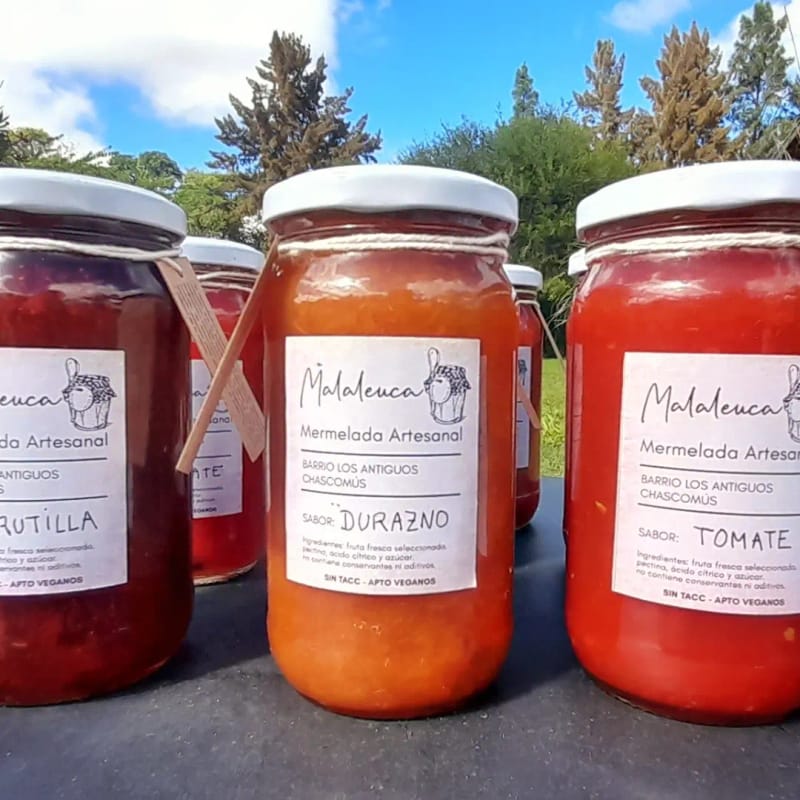
Homemade jams
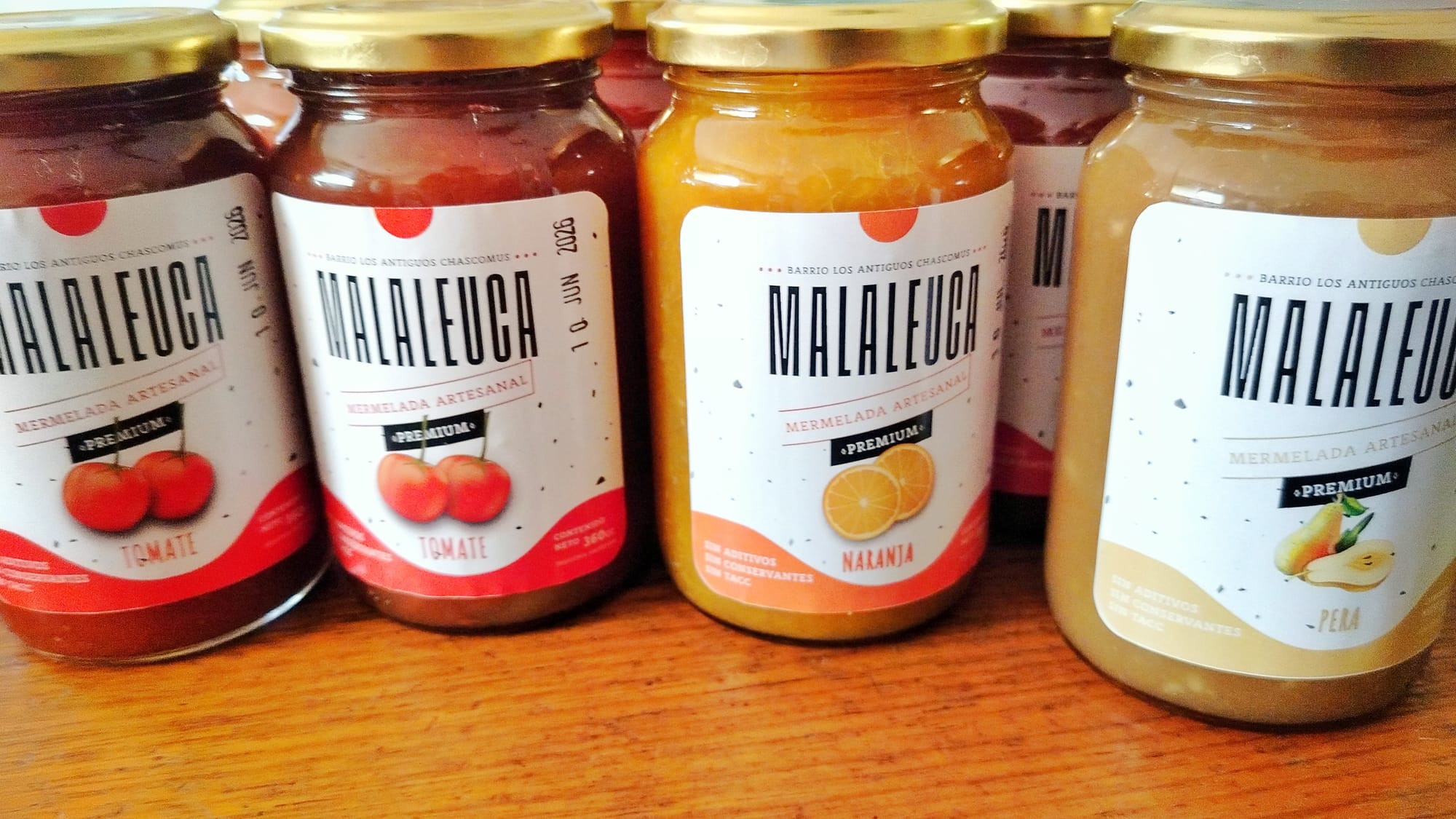
We produce our own jams made with selected fruit, without additives or preservatives. See available flavors.
Learn More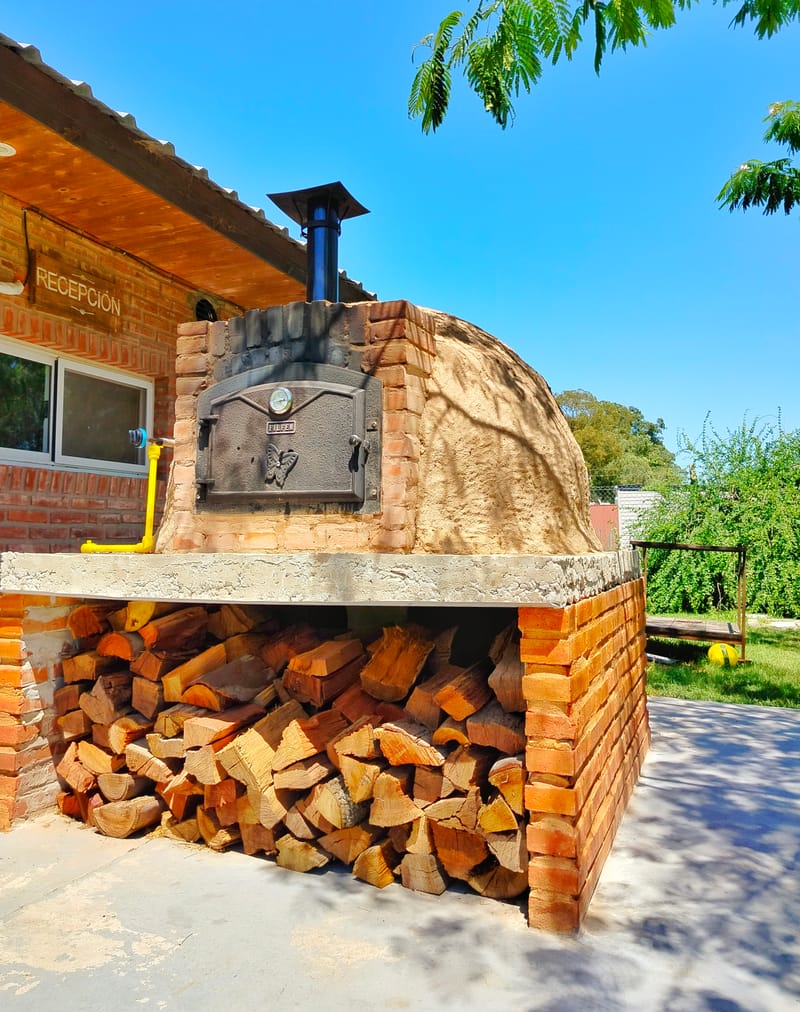
restaurant
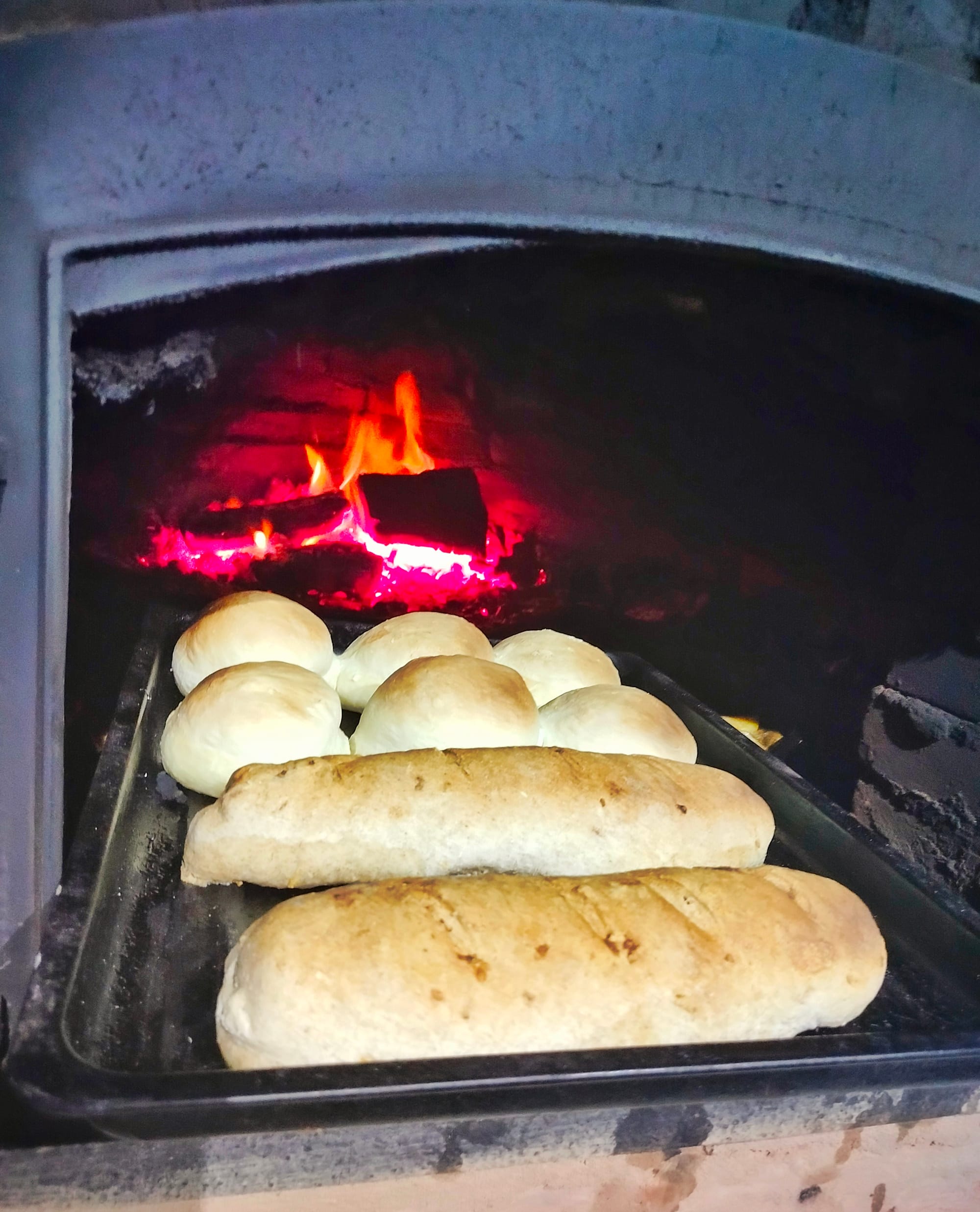
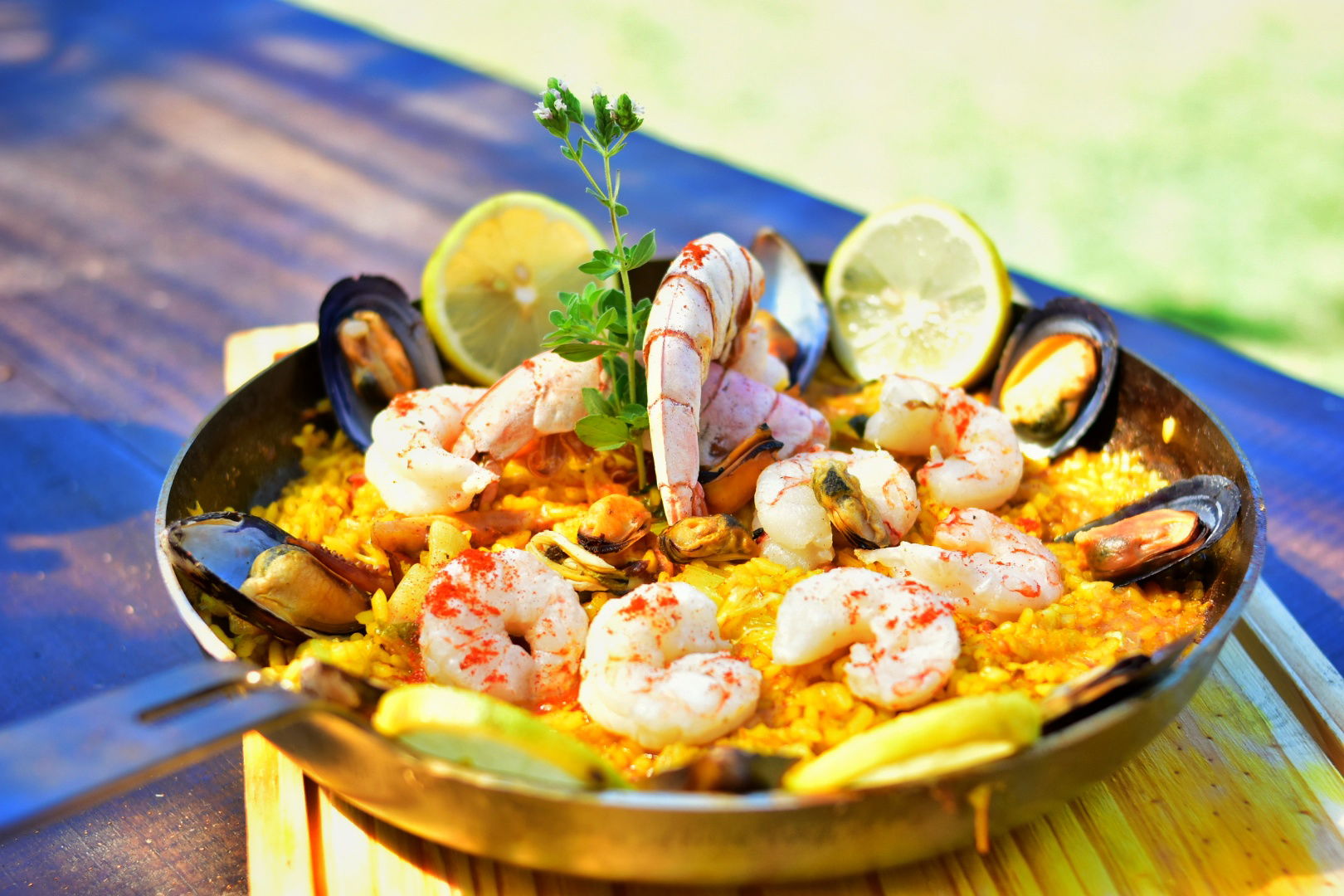
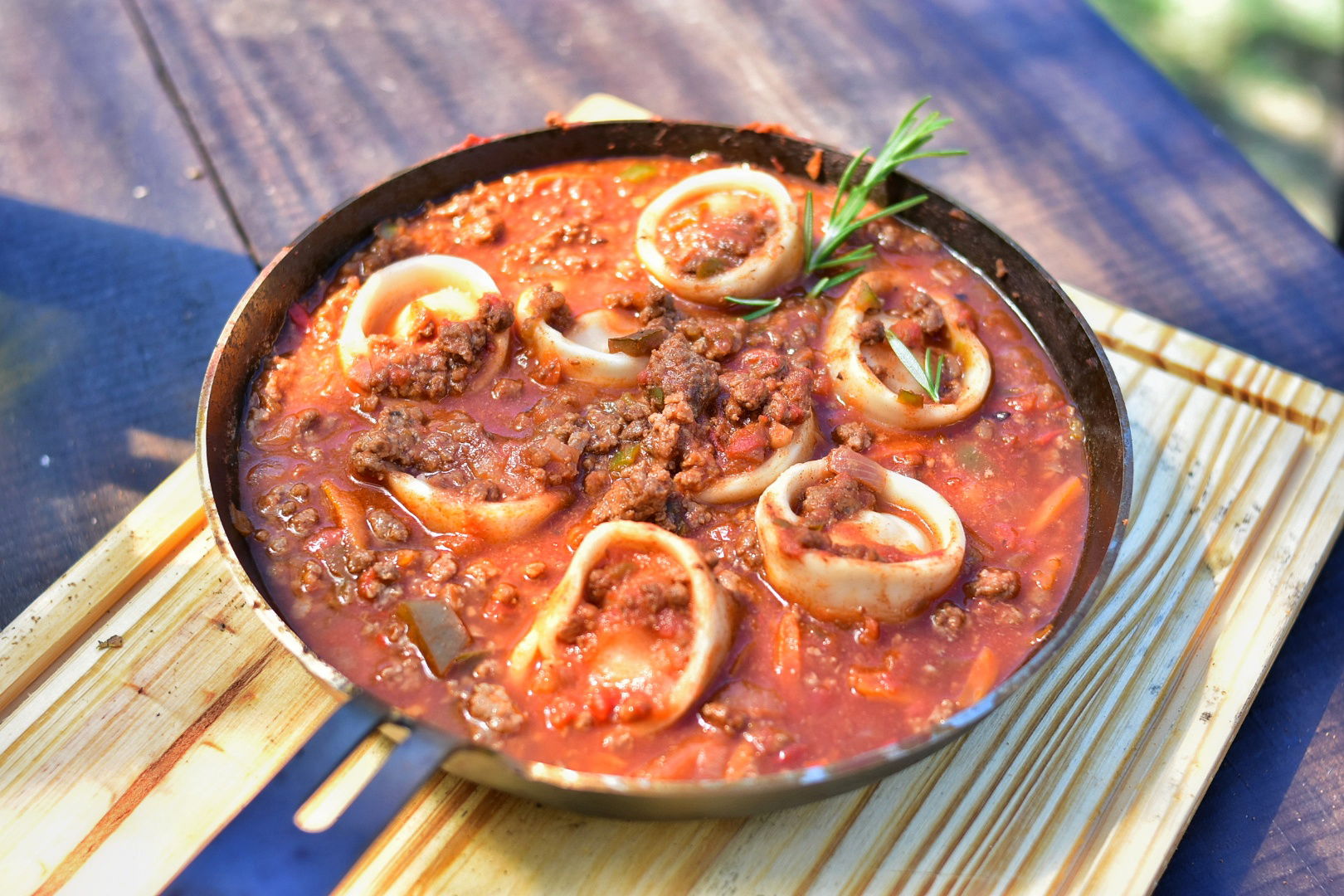
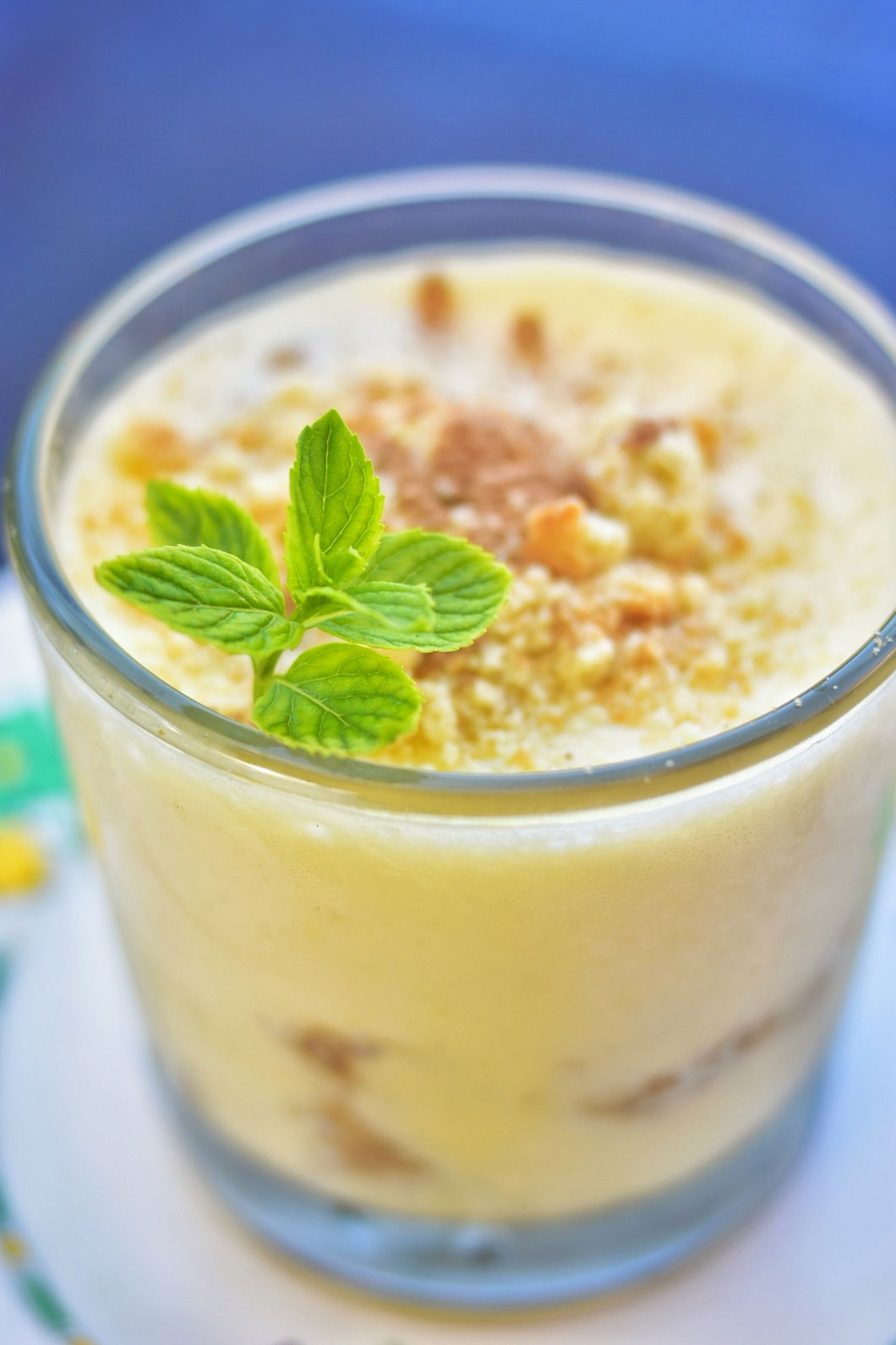
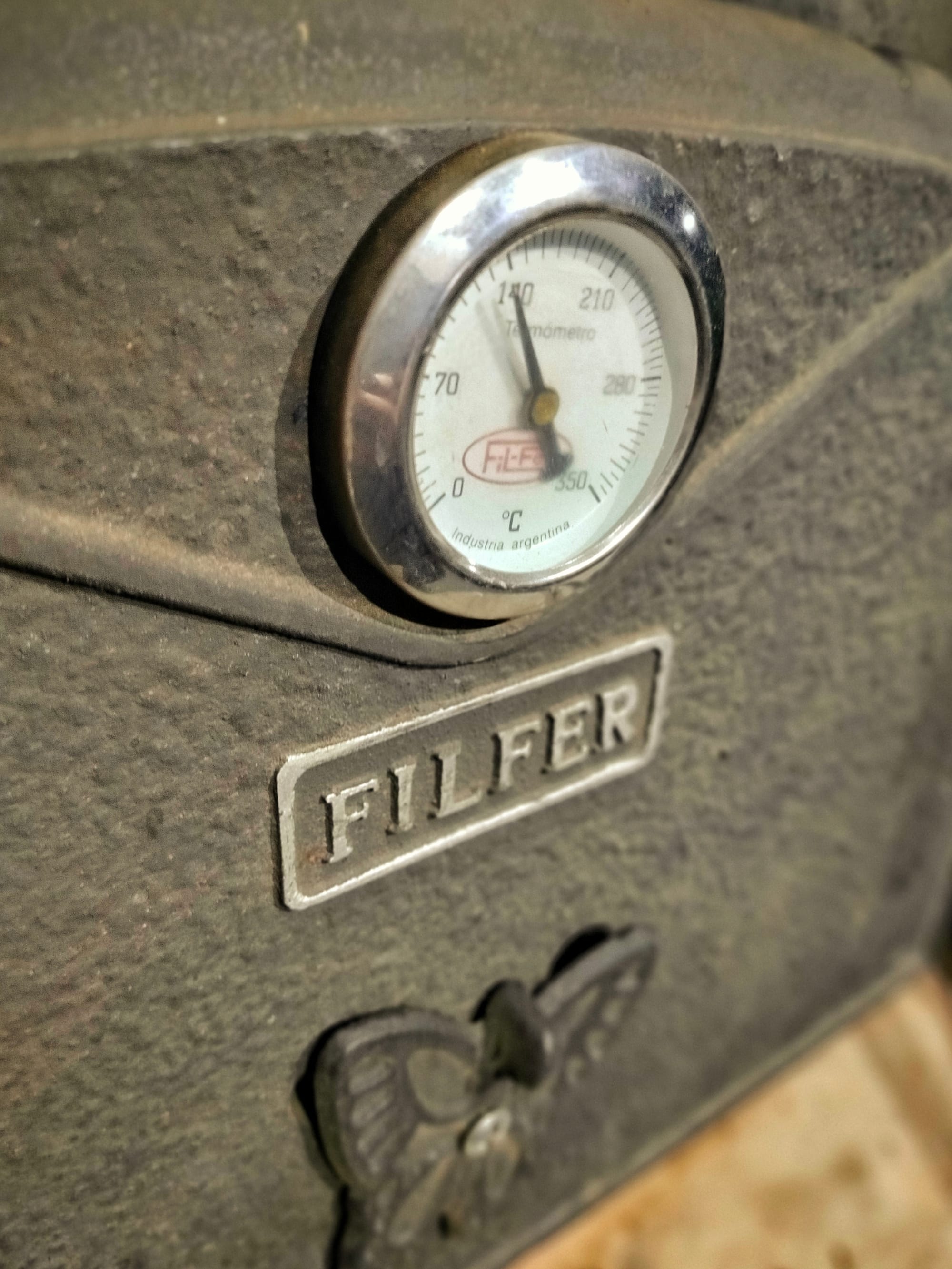
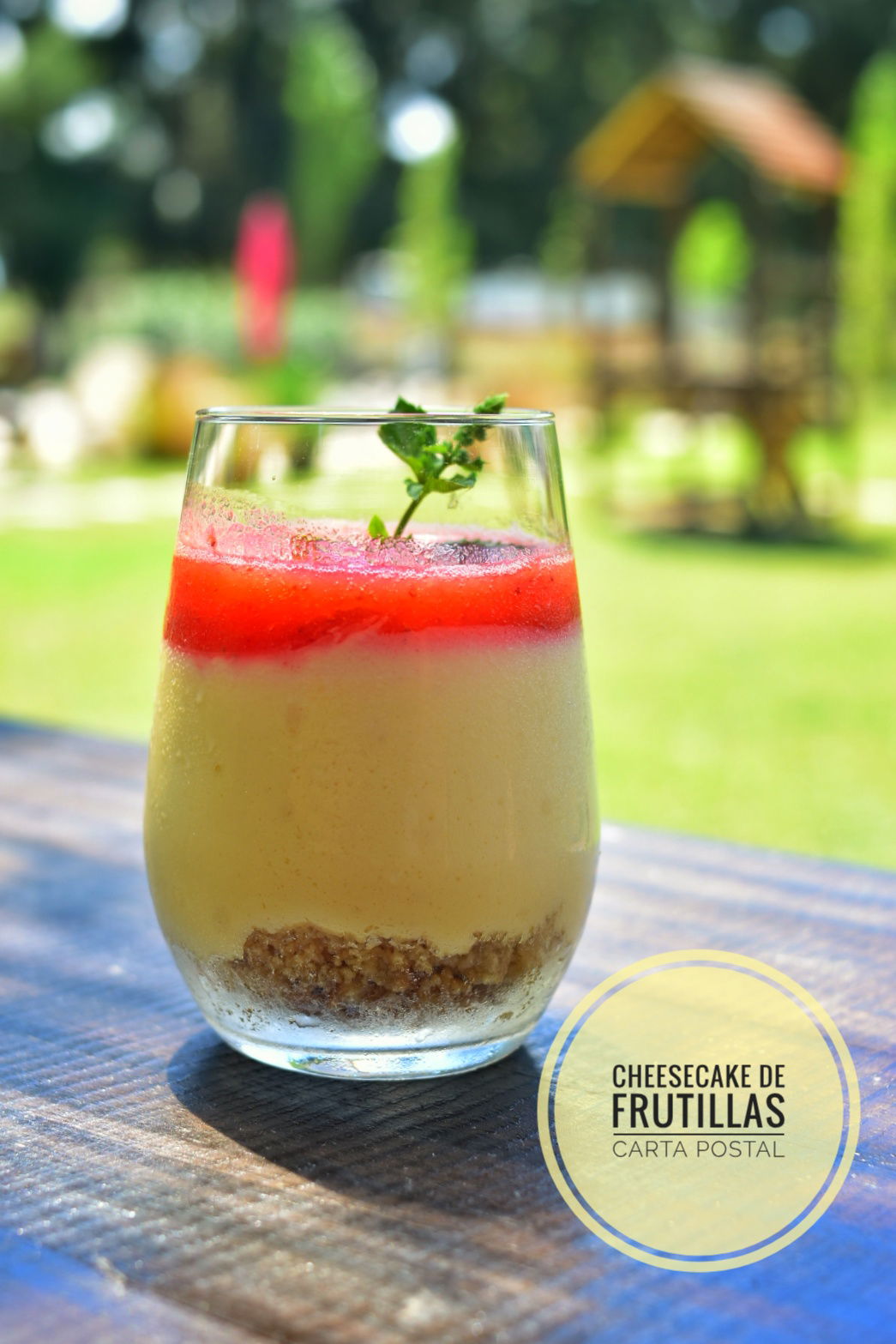
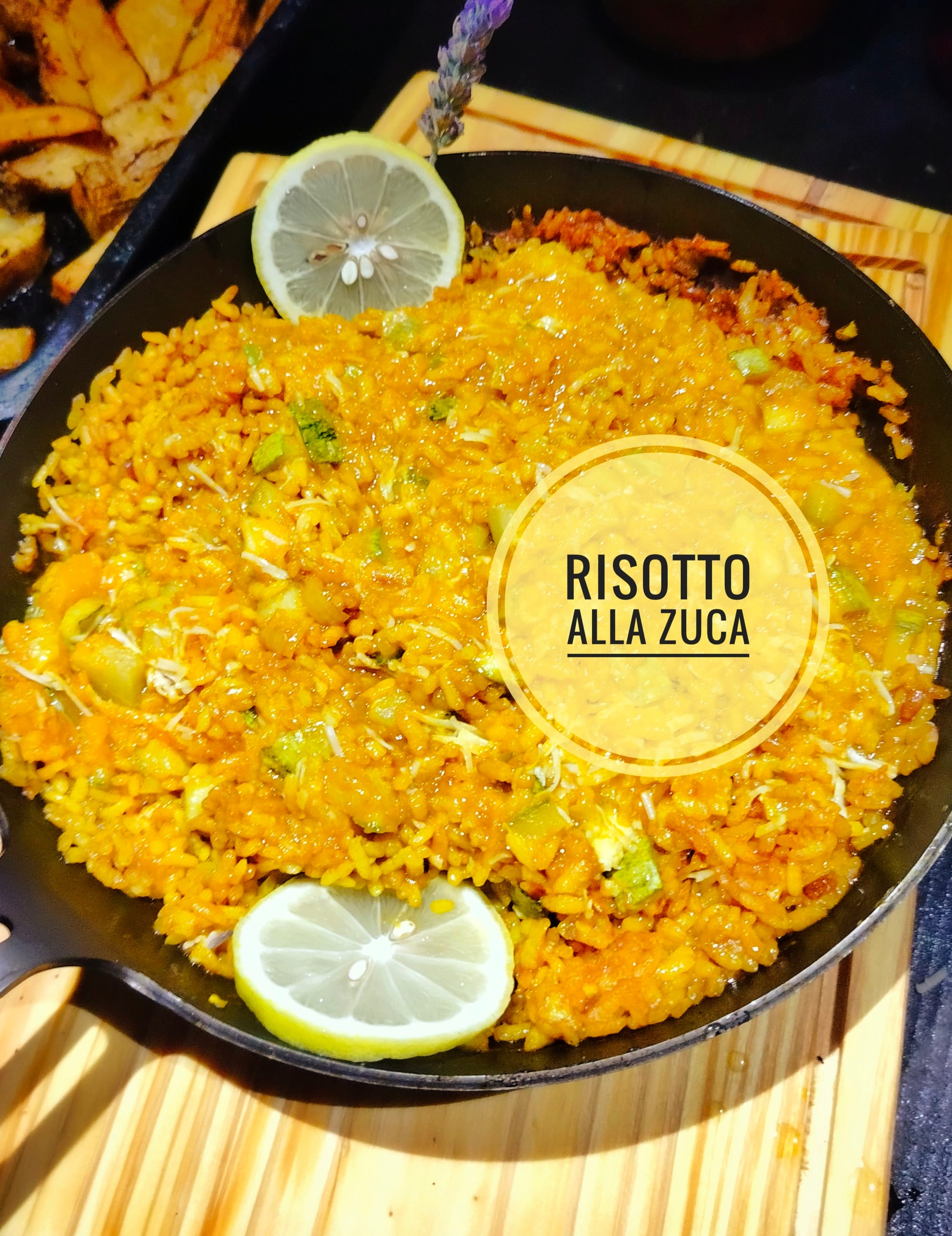
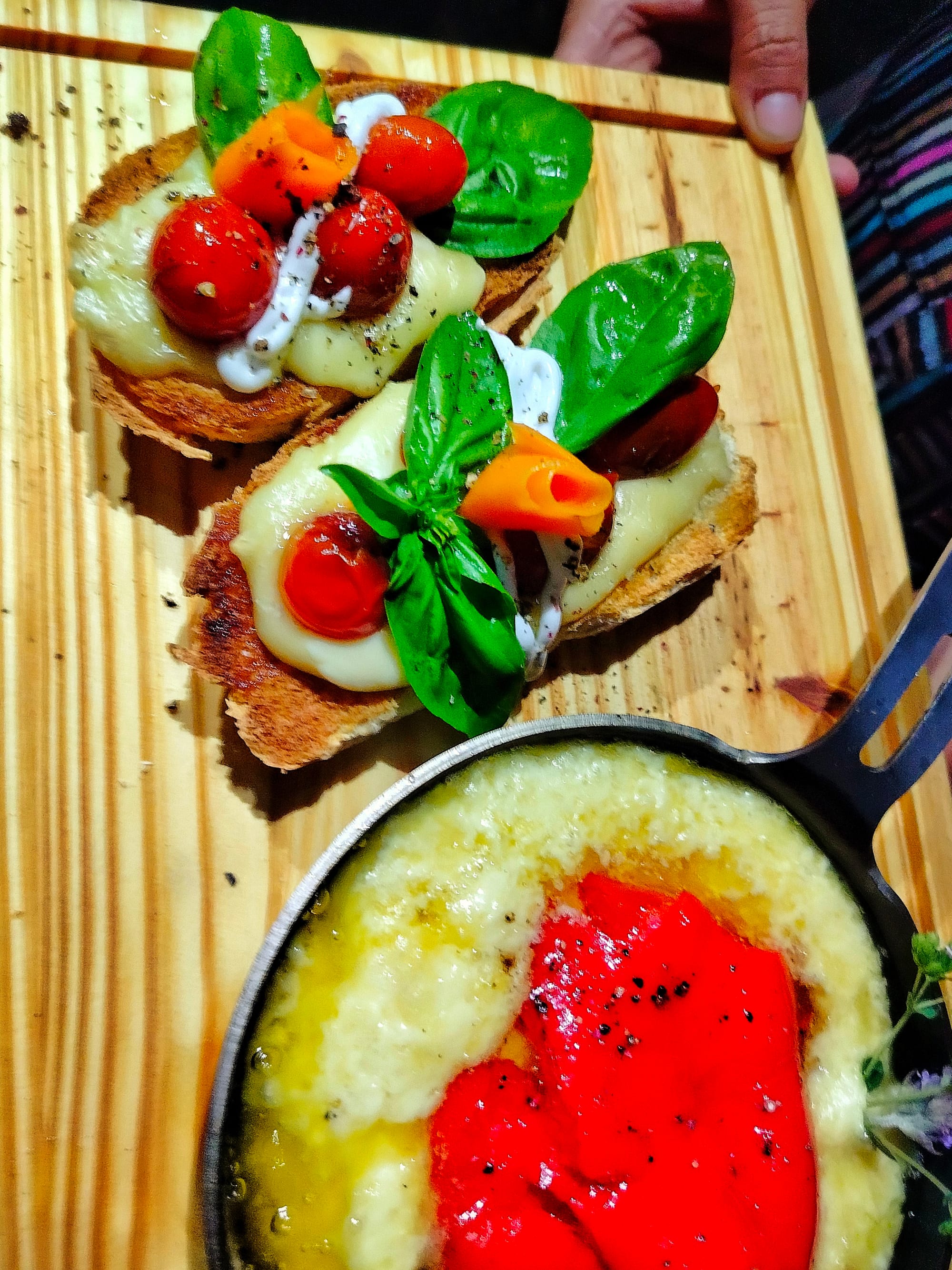
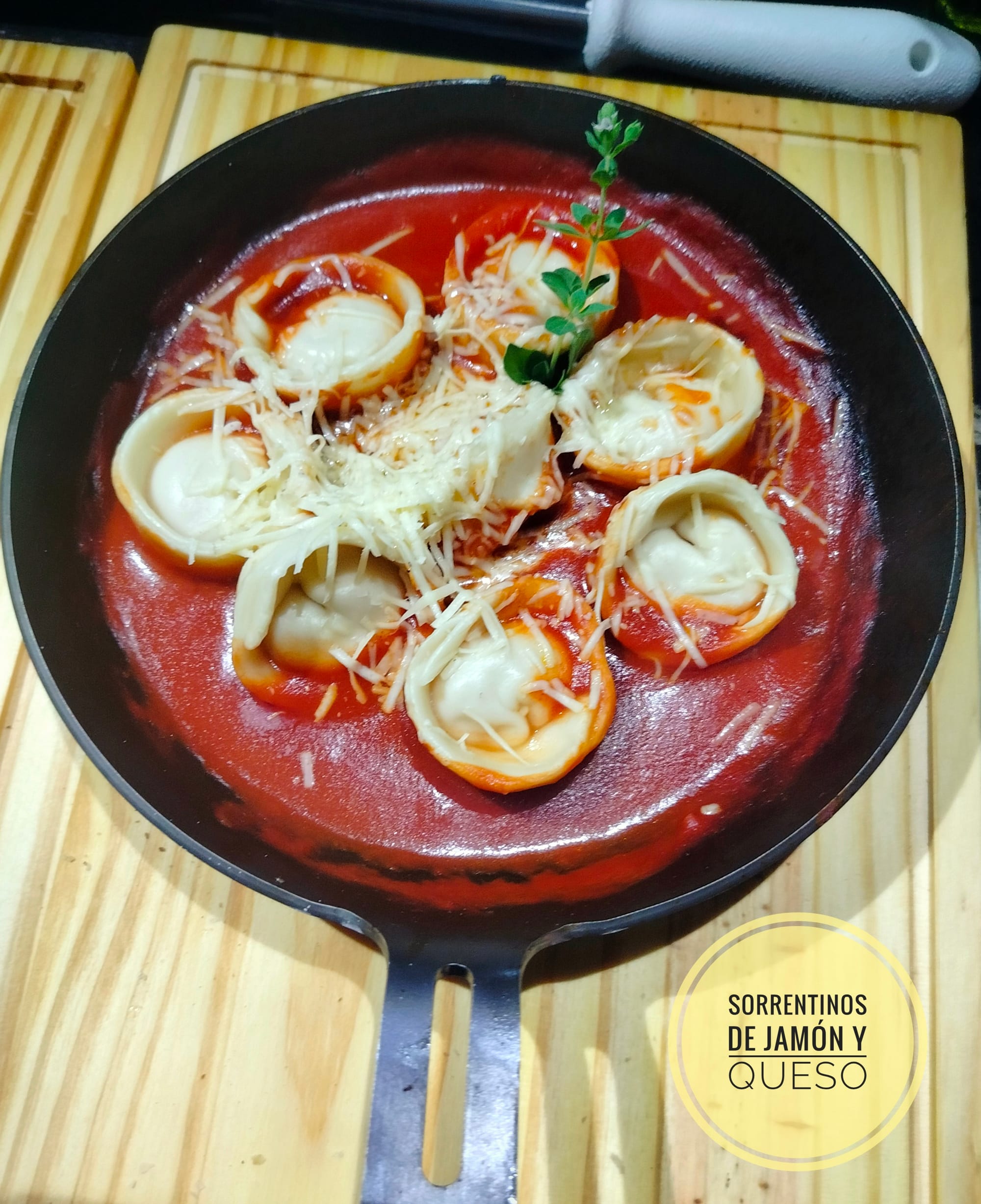
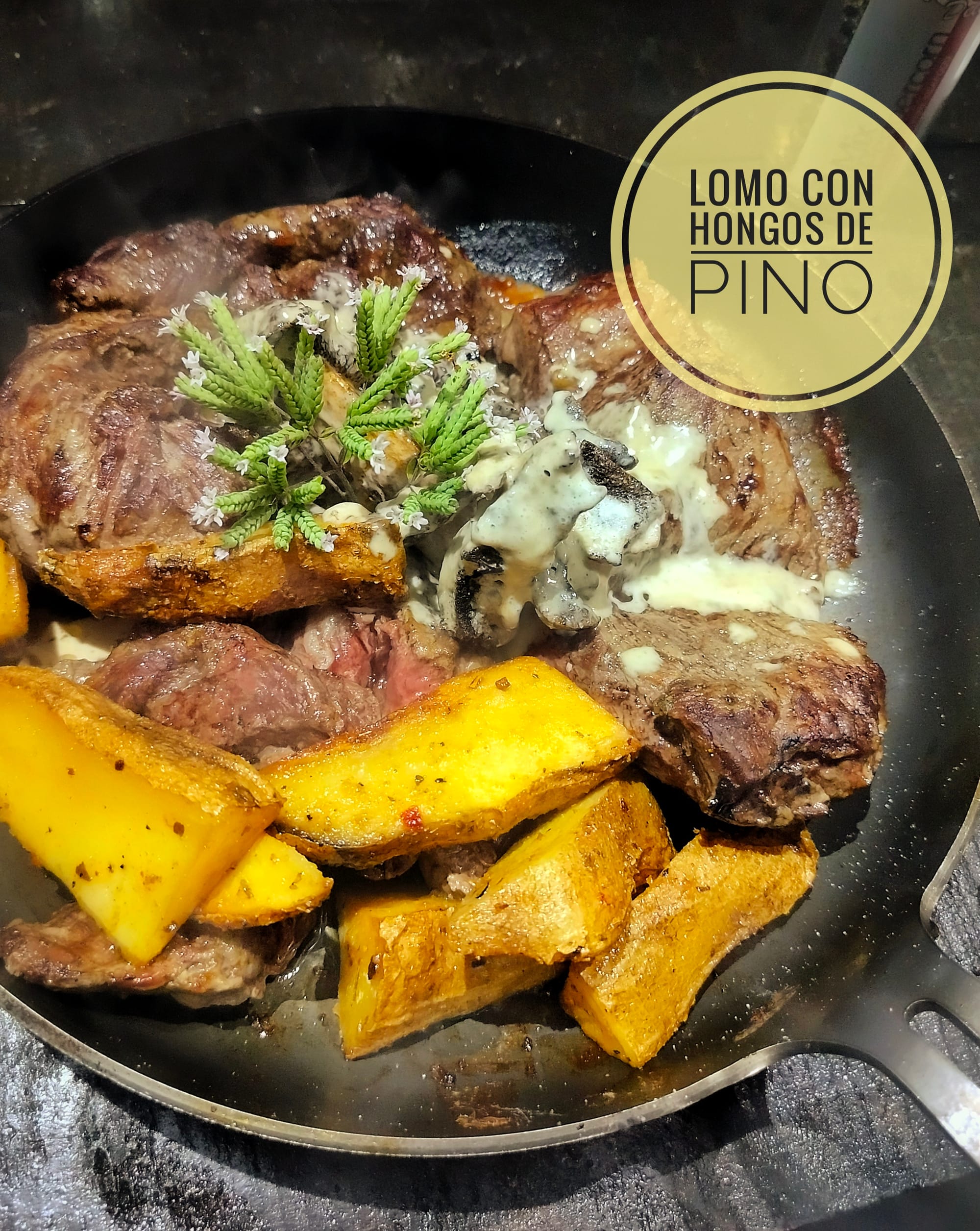
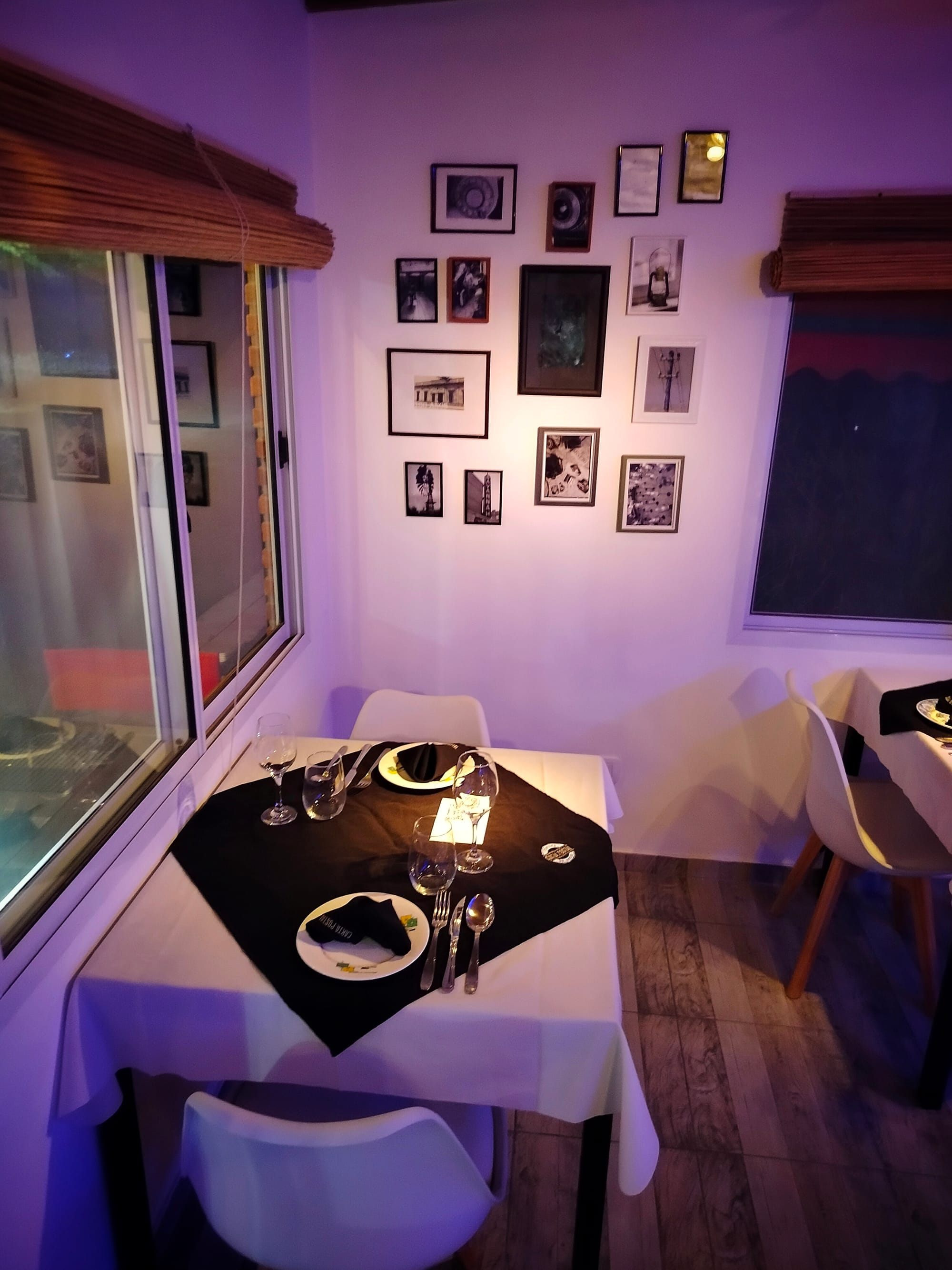
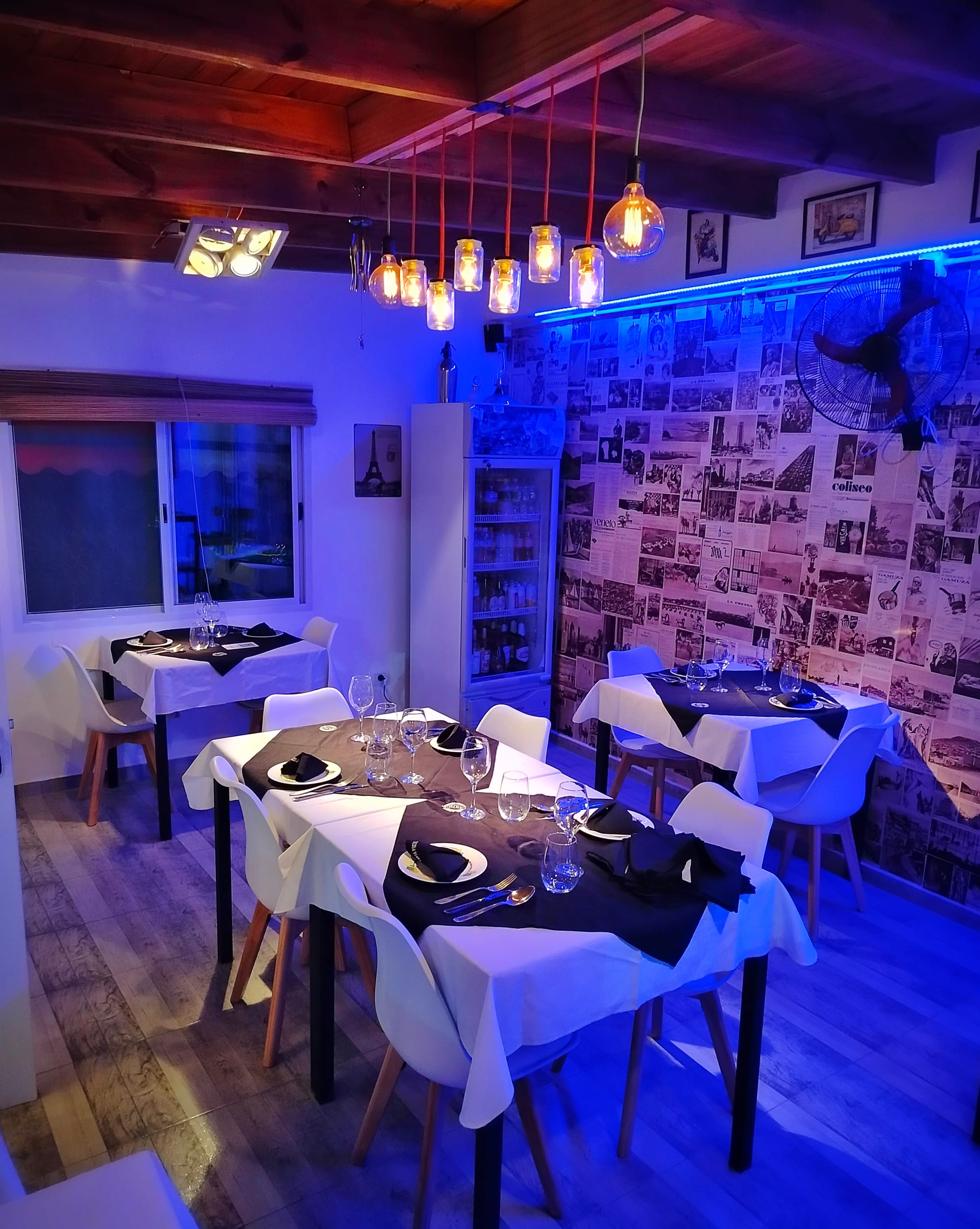
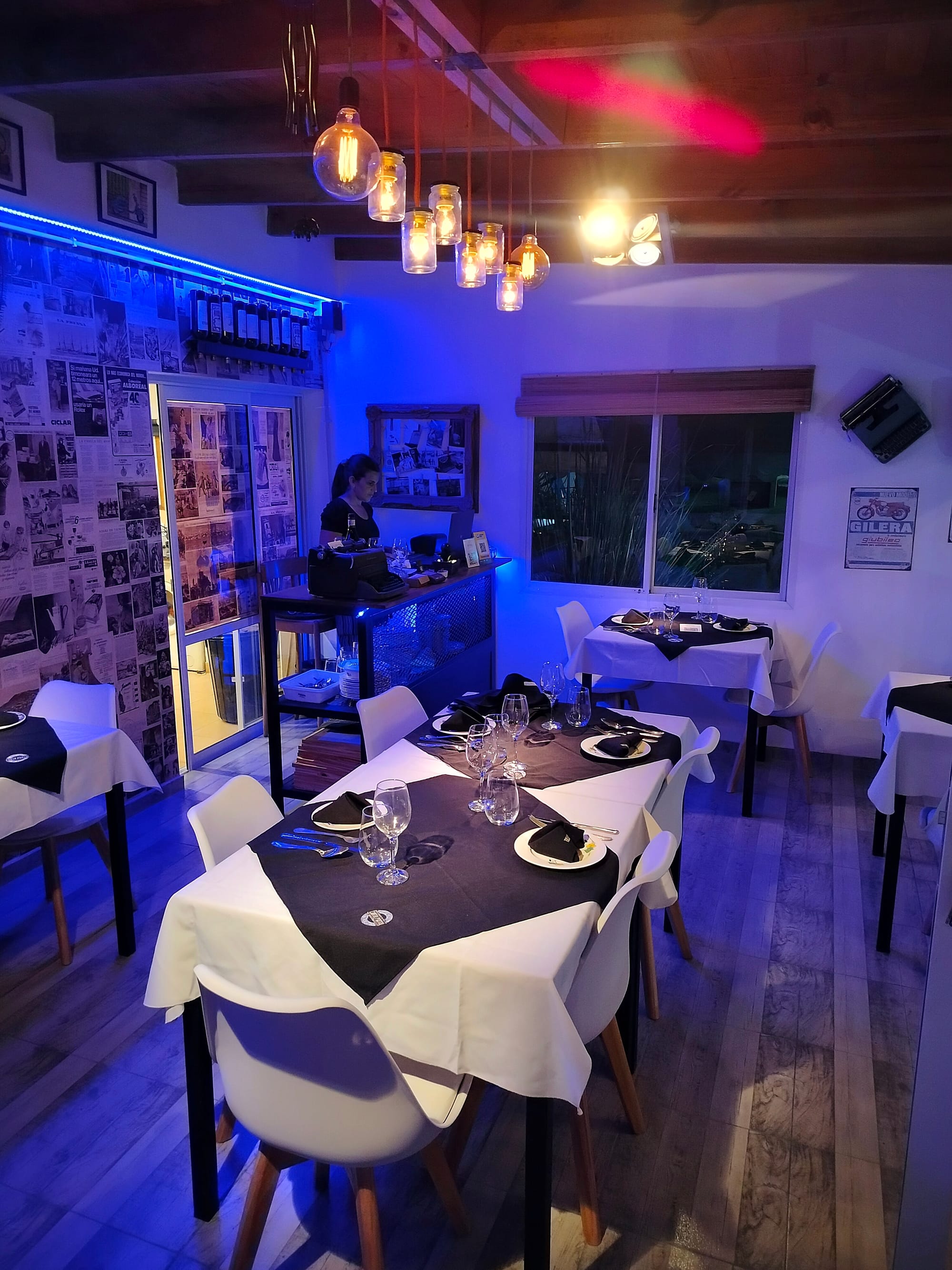
Carta postal barro & Fuego cocina de autor con horno a leña. Abrimos viernes y sábados por la noche y para eventos!
Children's parties and events
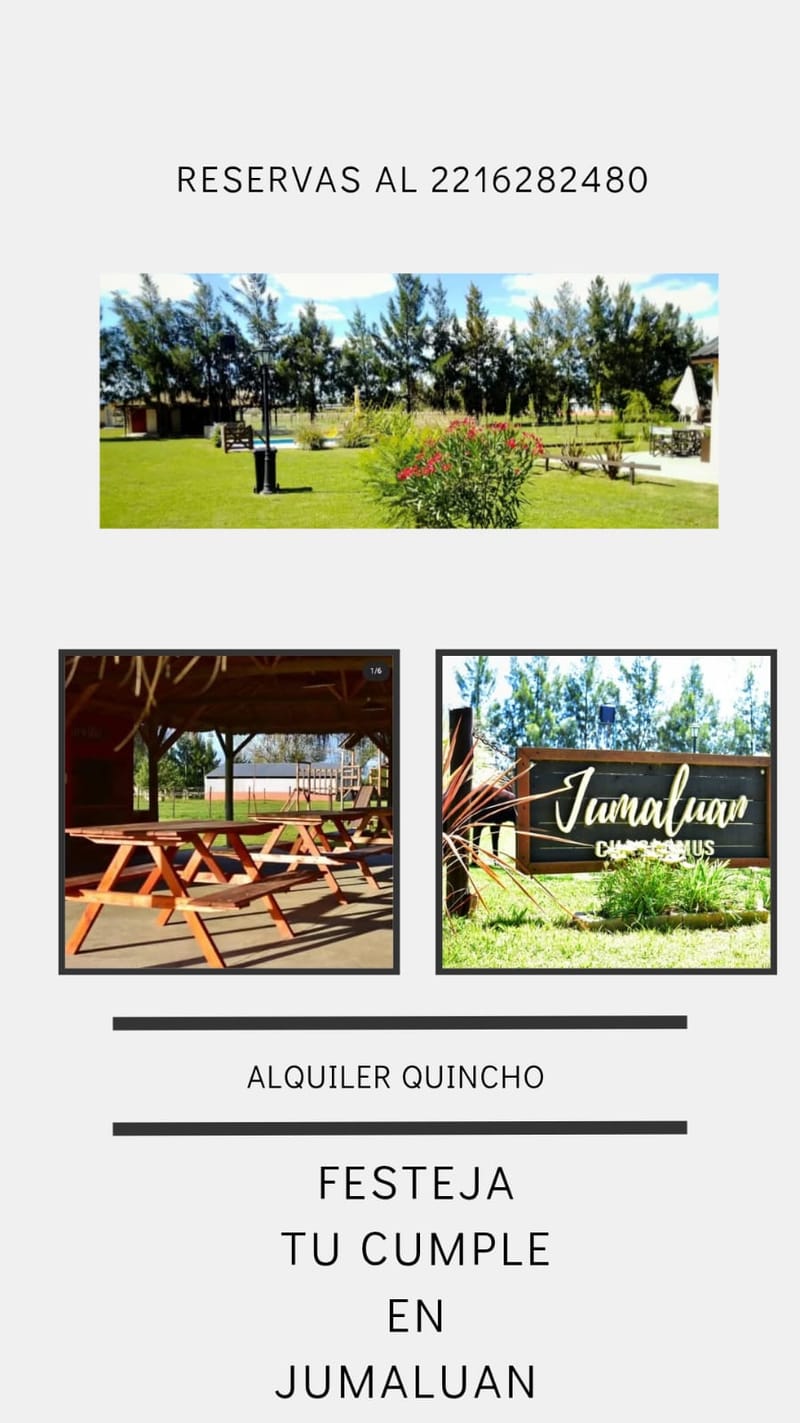
Spacious barbecue area with grill and bathroom, soccer field and landscaped lot for you to enjoy with your family and friends
Gallery




















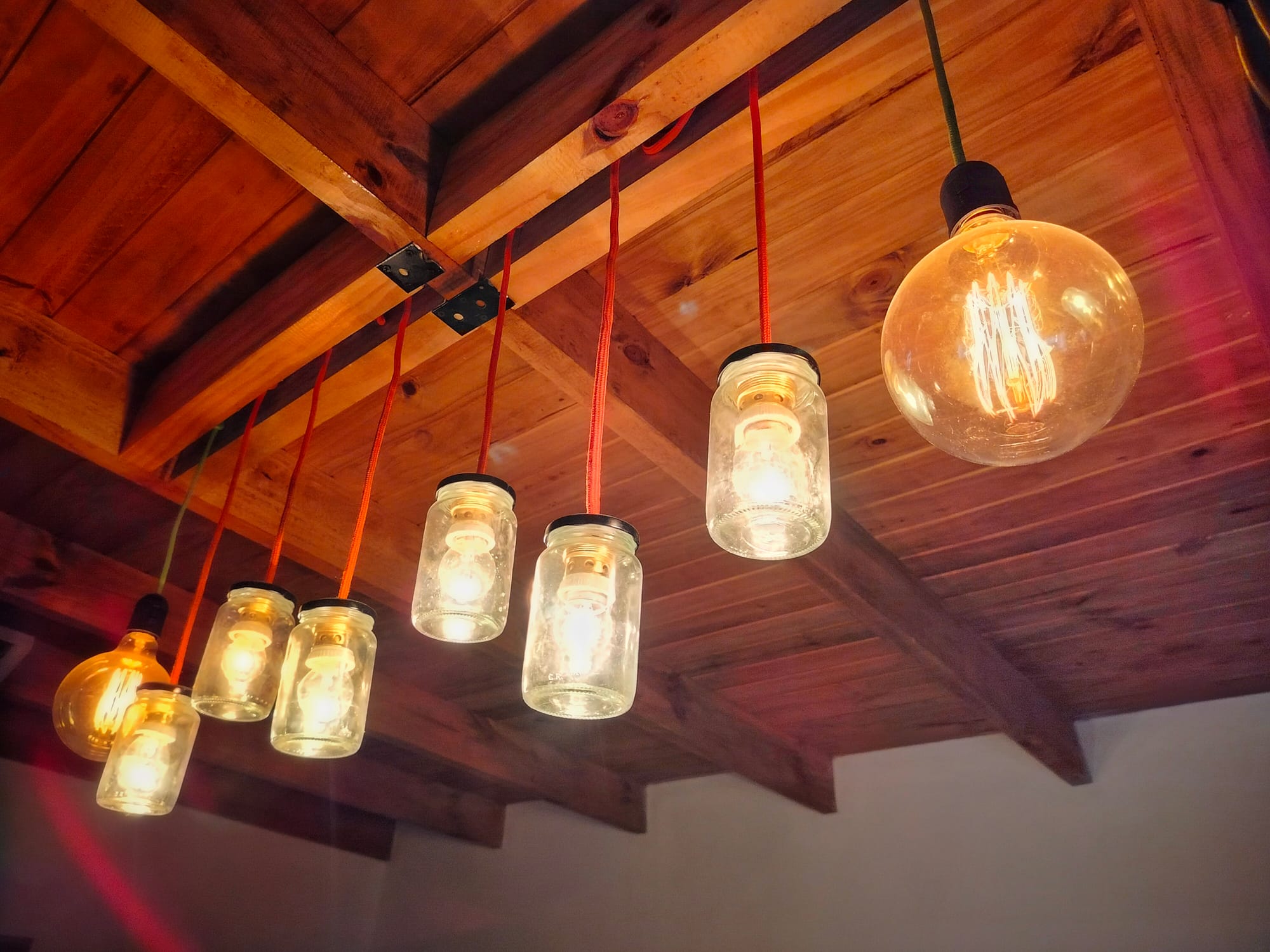
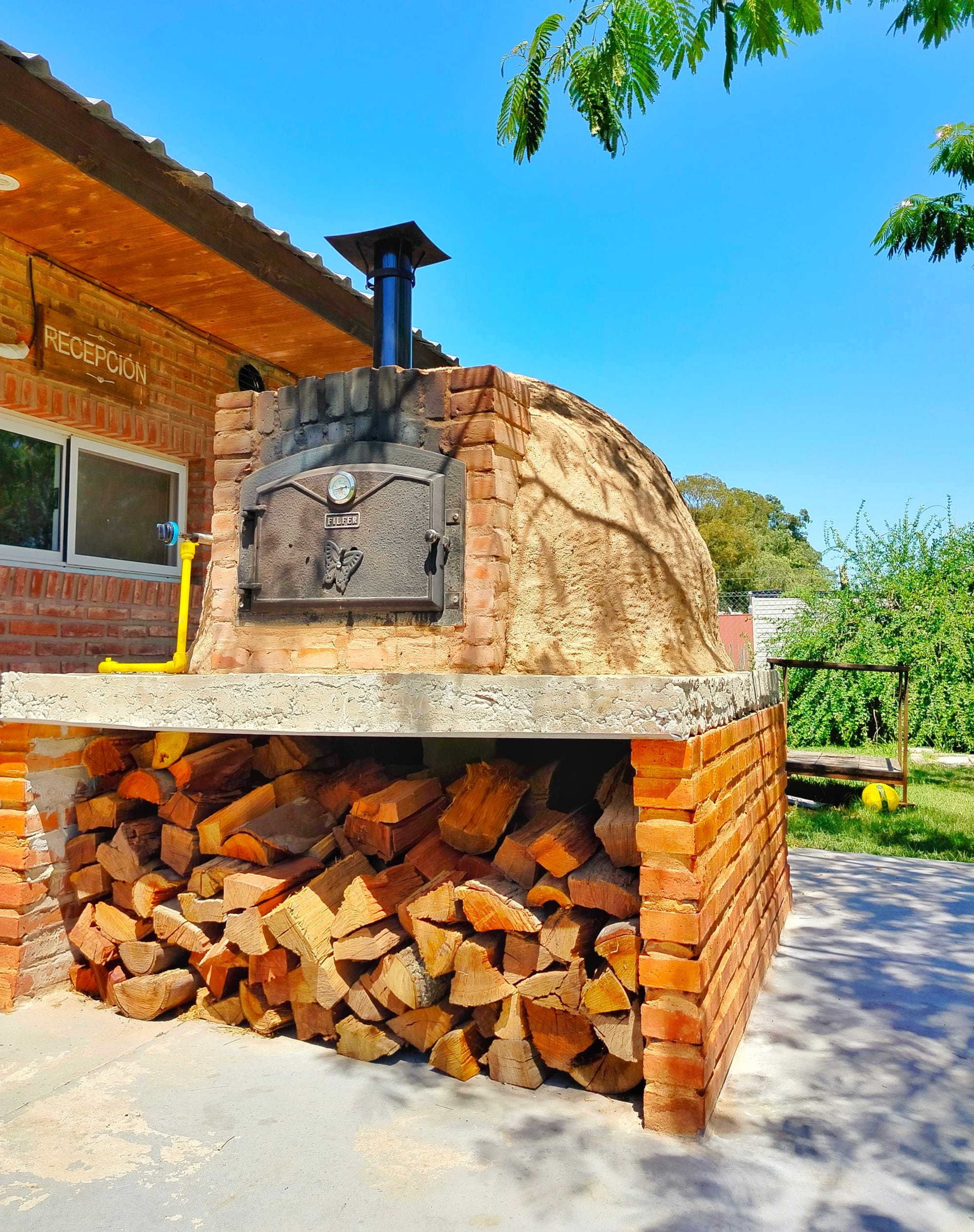
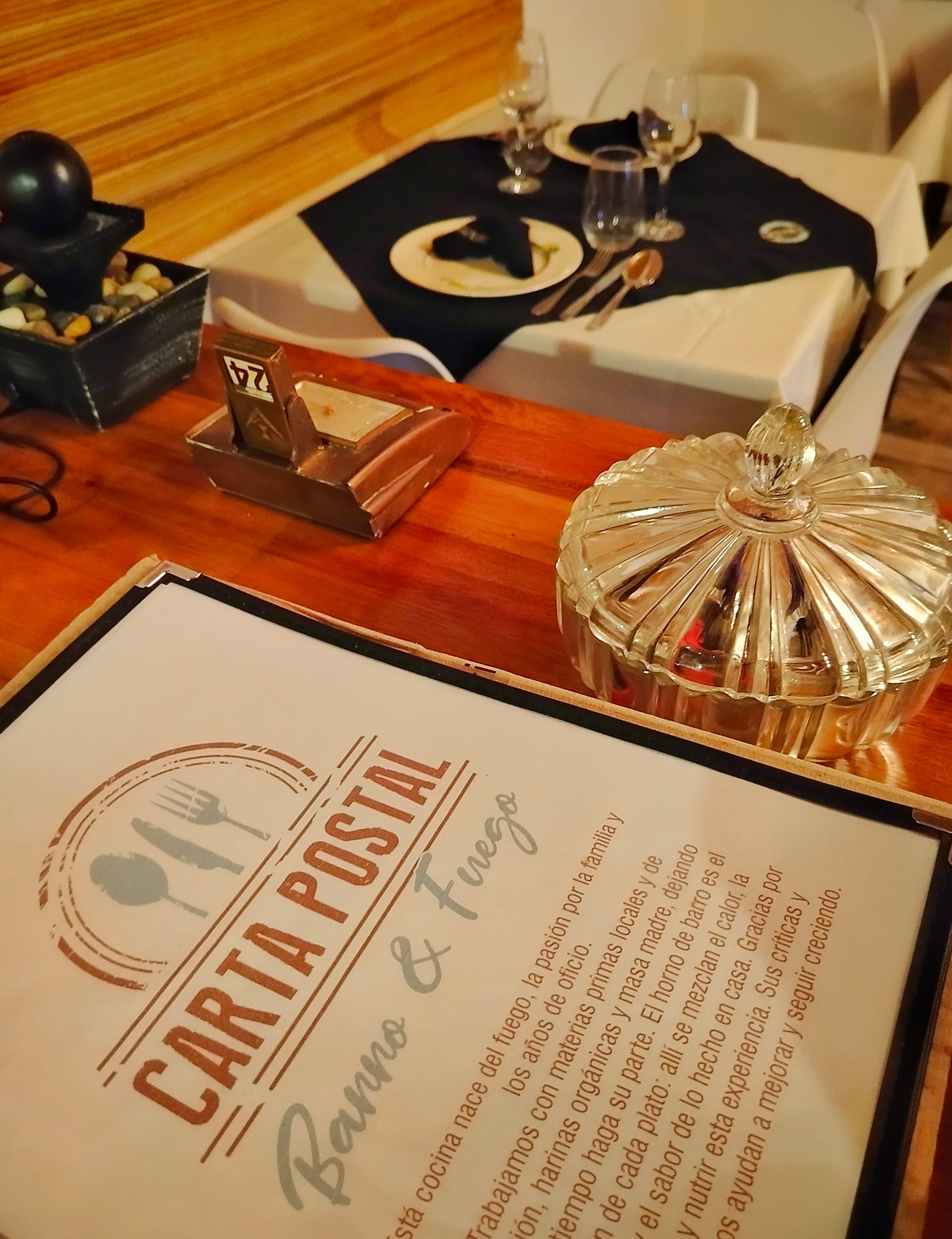
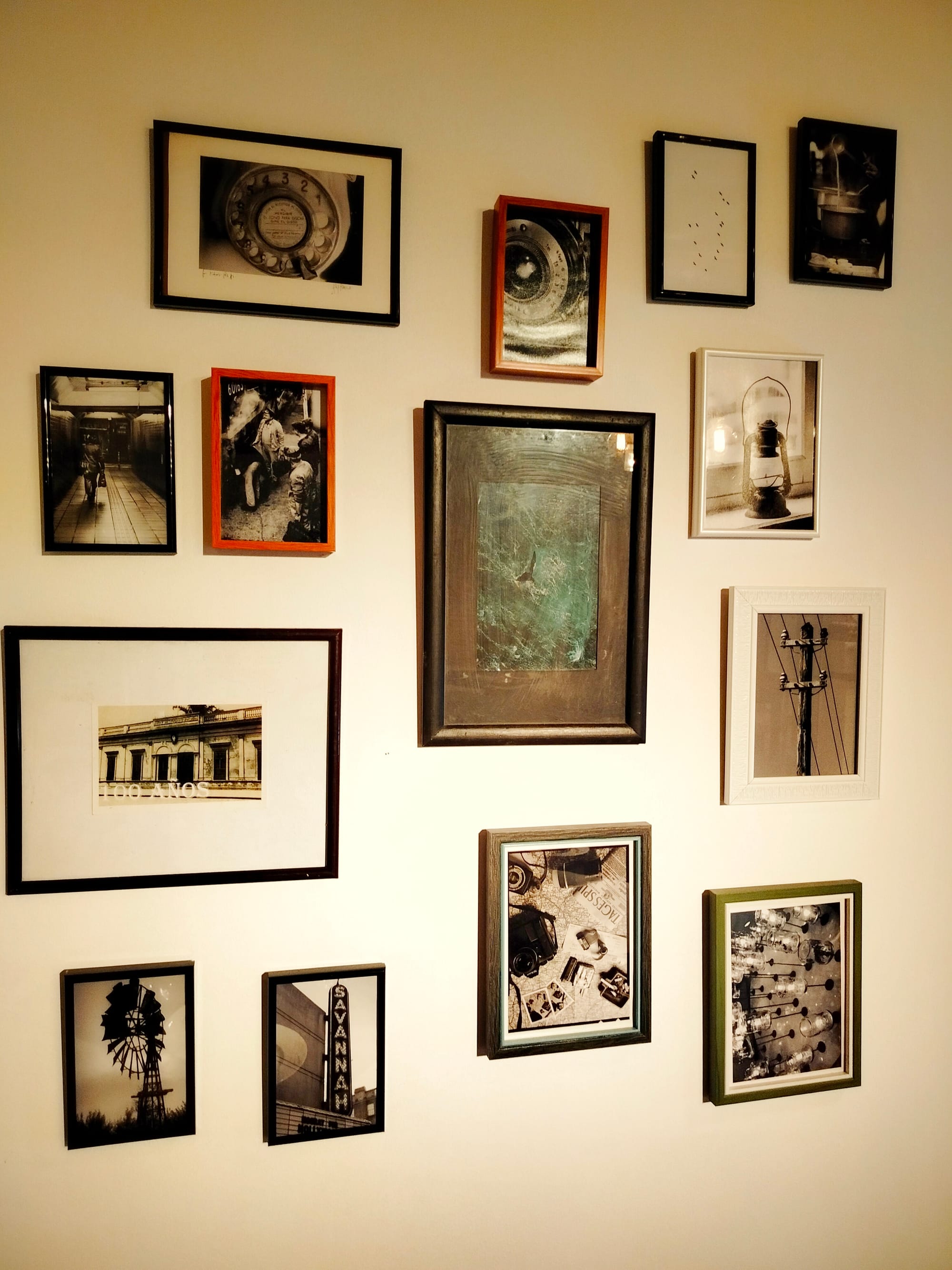
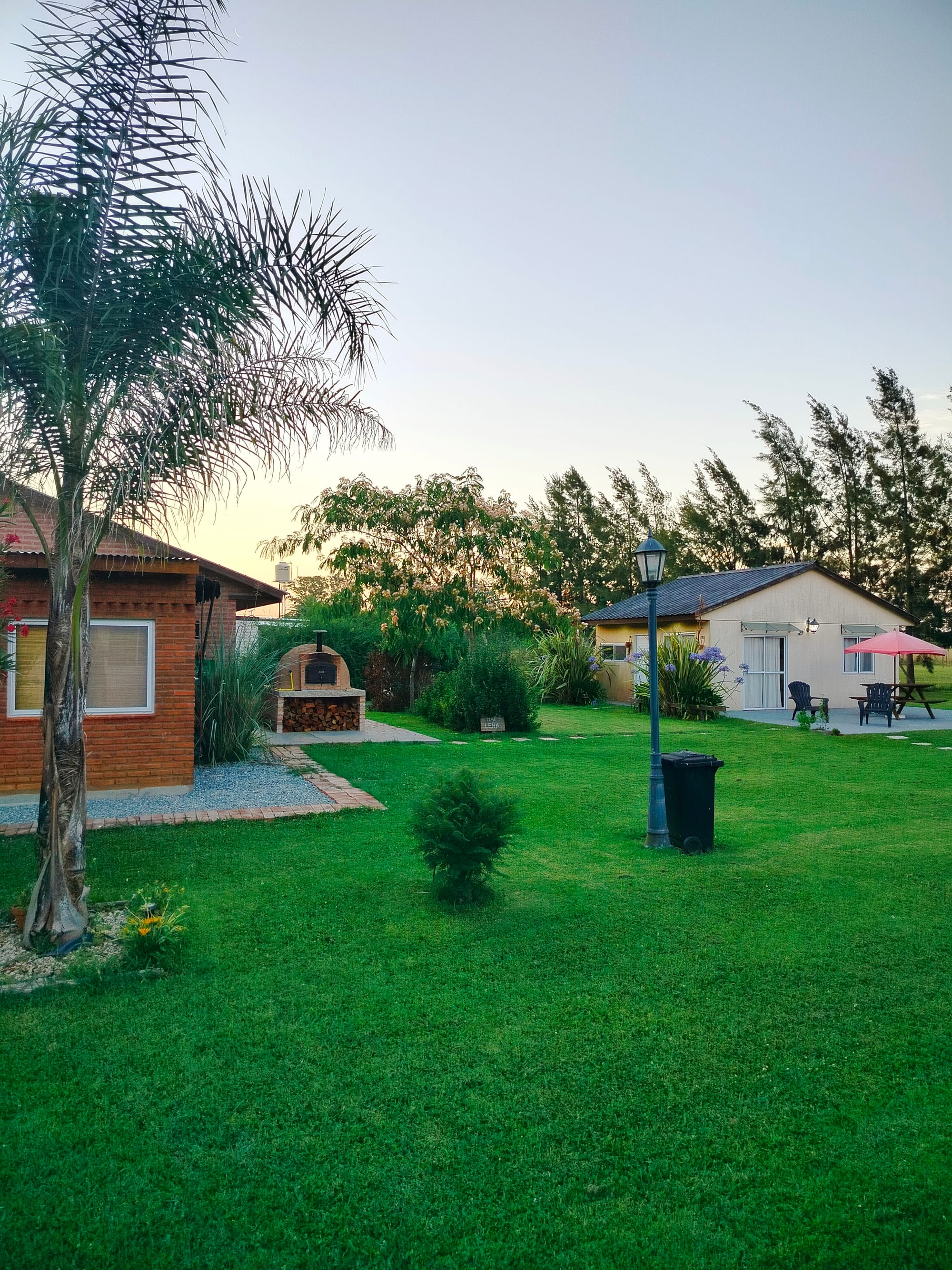
Cabins for 2 people
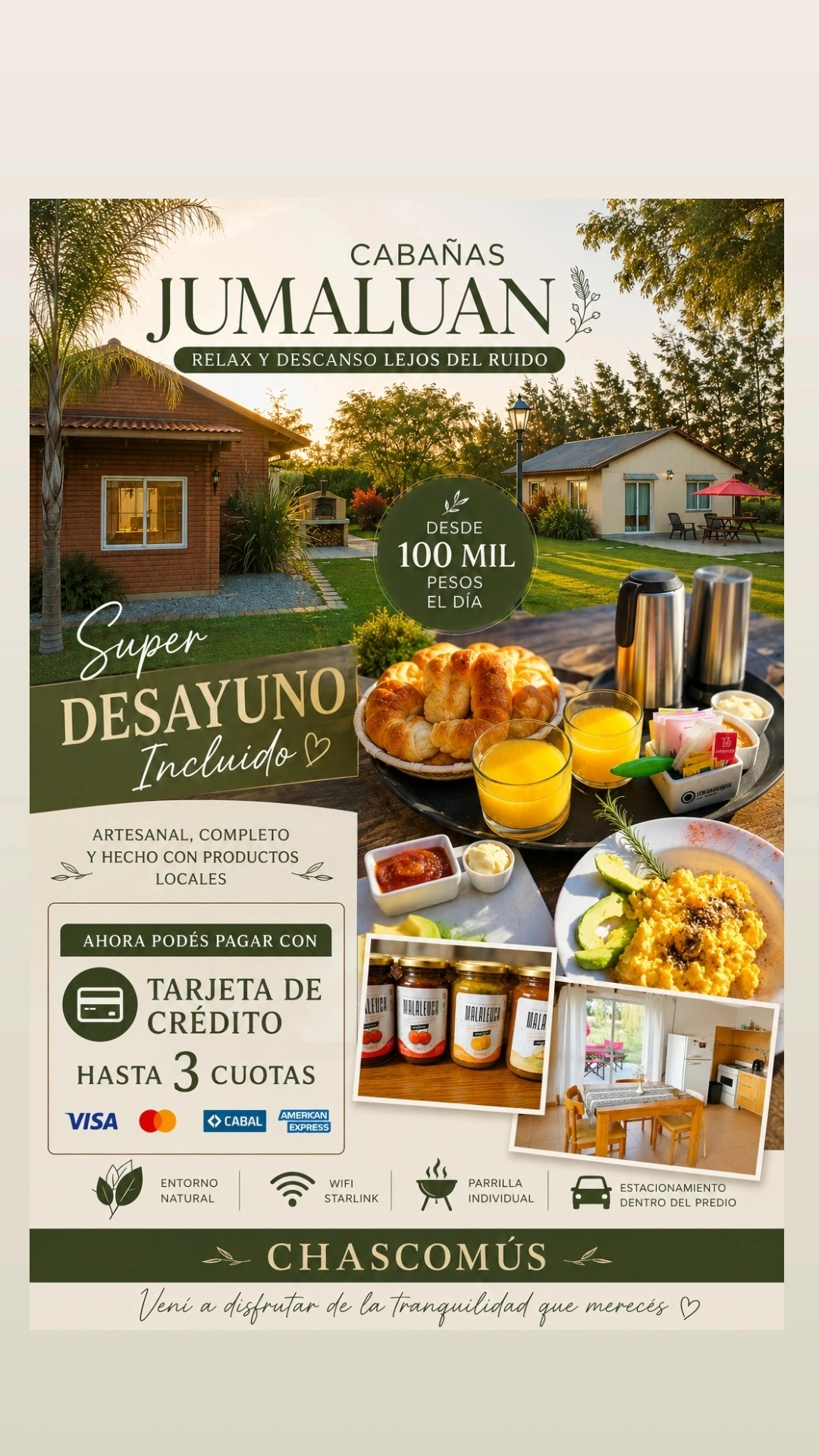
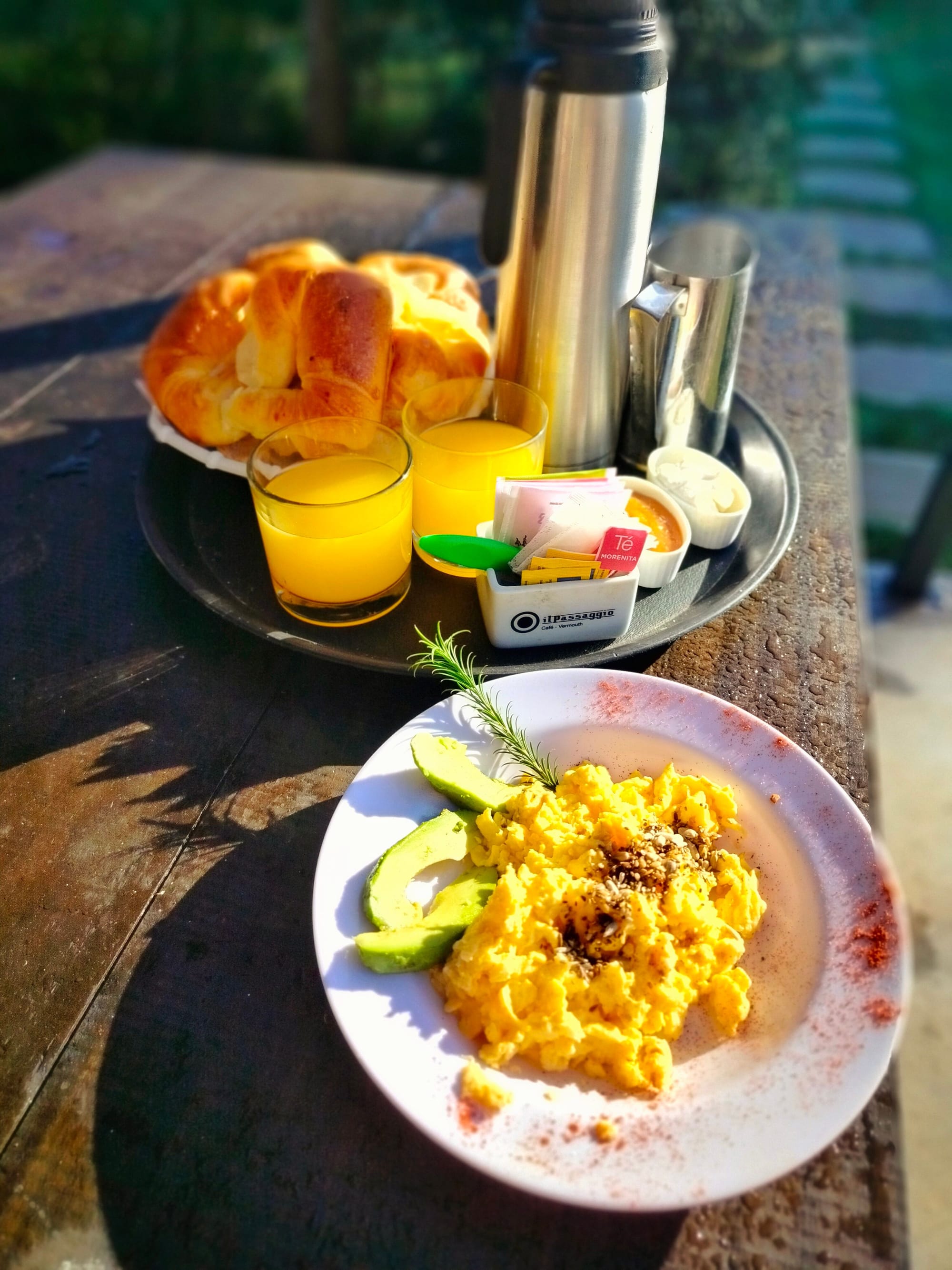
MOST POPULAR- Includes stay in fully equipped cabins with linens, access to all services, Wi-Fi, DirecTV, and a grill. Holidays and long weekends +20%. Includes a super complete homemade breakfast.
Cabins for 4 people
MOST POPULAR- Includes stay in fully equipped cabins with linens, access to all services, Wi-Fi, DirecTV, and a grill. Long weekends and holidays +20%. Includes a super complete homemade breakfast.
Cabin for 5 people
- Includes stay in fully equipped cabins with linens, access to all services, Wi-Fi, DirecTV, and a grill. Long weekends and holidays +20%. Includes a super complete homemade breakfast!
Media pensión: cena por persona
- Dinner at the Carta Postal restaurant, located on the property. Price per person based on 2, 4, or 5 guests. Includes one main course of your choice + one non-alcoholic beverage (water, soda, or flavored water). For children, includes one main course of your choice (children's menu) + beverage + ice cream
Tourist attractions
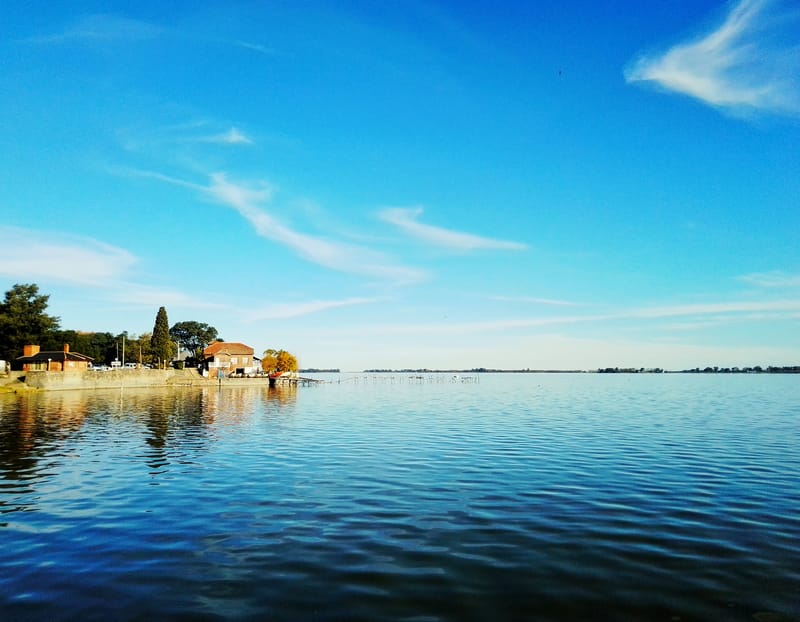
Chascomús Lagoon
It is the largest in the interconnected system of seven lagoons within a magnificent wetland, considered unique in the world for its biodiversity and ecological characteristics. It covers 3,044 hectares. Its waters are home to a variety of fish, most notably the silverside, which is bred and protected by the Hydrobiological Station in our city.
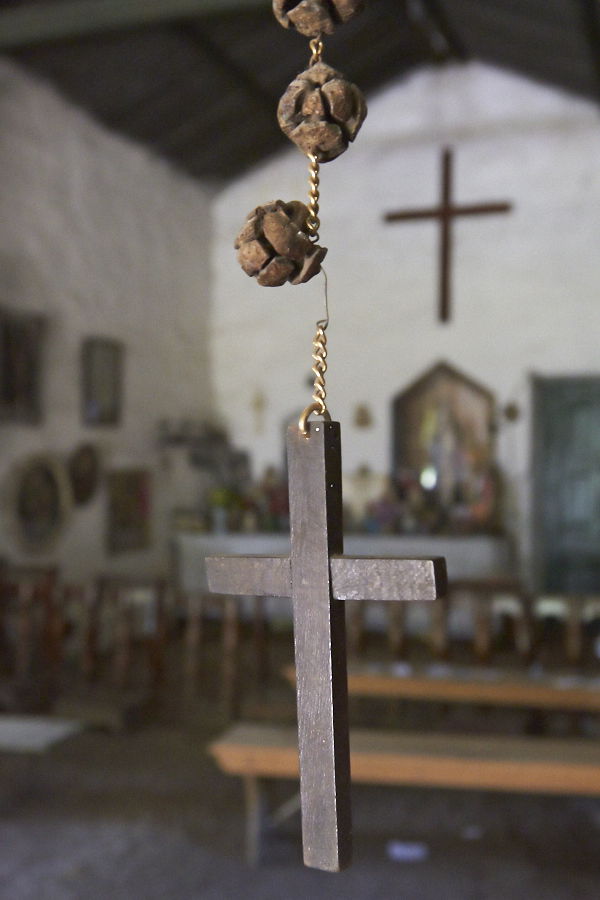
Chapel of the Blacks
The Chapel of the Blacks in the Argentine city of Chascomús (Buenos Aires Province) was built in 1867 as the headquarters of a Black brotherhood. Today, the building has a zinc roof, exposed walls, and a dirt floor. It houses a rustic image of the Black Virgin of Miracles, an ancient carving venerated by the local Black community. Beside it stands the Virgin of the Rosary, surrounded by offerings. The chapel served as a medical center during the cholera epidemics of the second half of the 19th century.
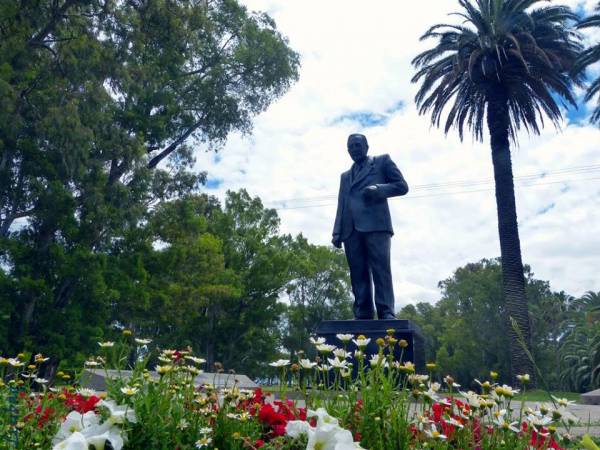
South Free Park
The Parque de los Libres del Sur (Park of the Free Men of the South) is adjacent to the Museo Pampeano (Pampas Museum) and also borders the lagoon's shore at its central bathing area. It comprises eight hectares of lush woodland and a wide variety of species; it is a haven of peace for those who enjoy its ample shade. Among its trees are pines, eucalyptus, cedars, carob trees, hackberry trees, and beautiful shrubs.
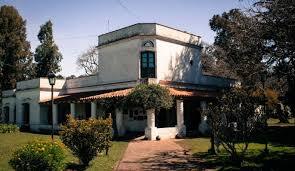
Pampean Museum
It was created in 1939 to commemorate the centenary of the Battle of Chascomús. Its seven permanent exhibition rooms reflect local history from pre-Hispanic settlement and its evolution in both urban and rural areas. The building is a replica of the "Mensajerías Argentinas" Post House that once existed in San Isidro, belonging to Juan Martín de Pueyrredón.
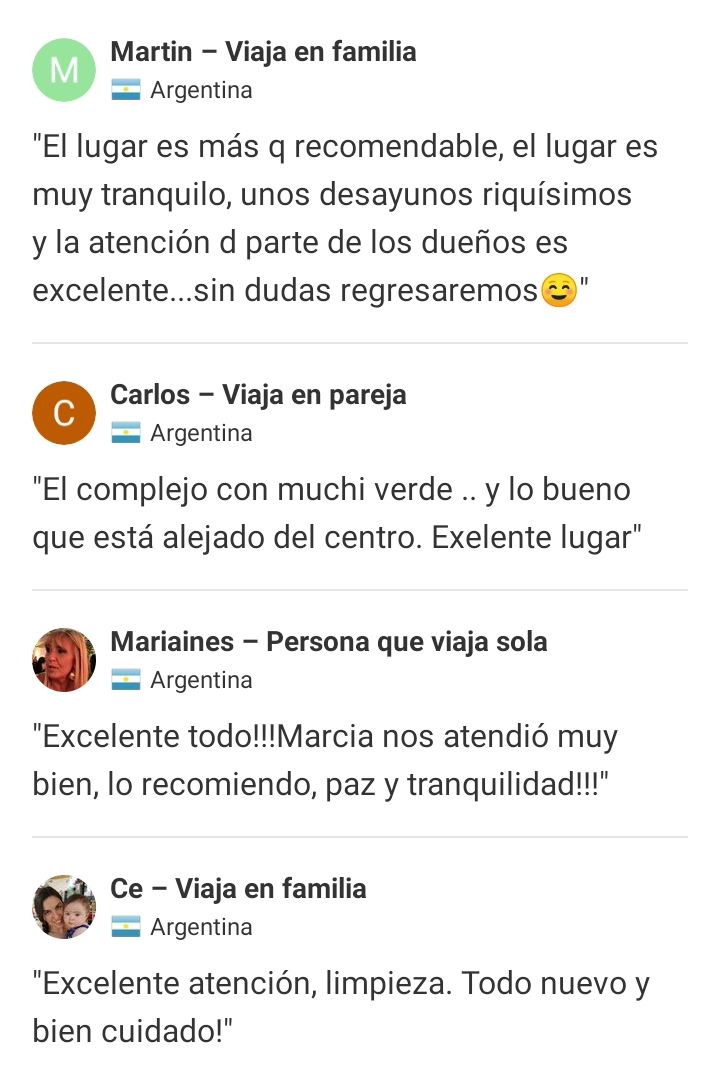
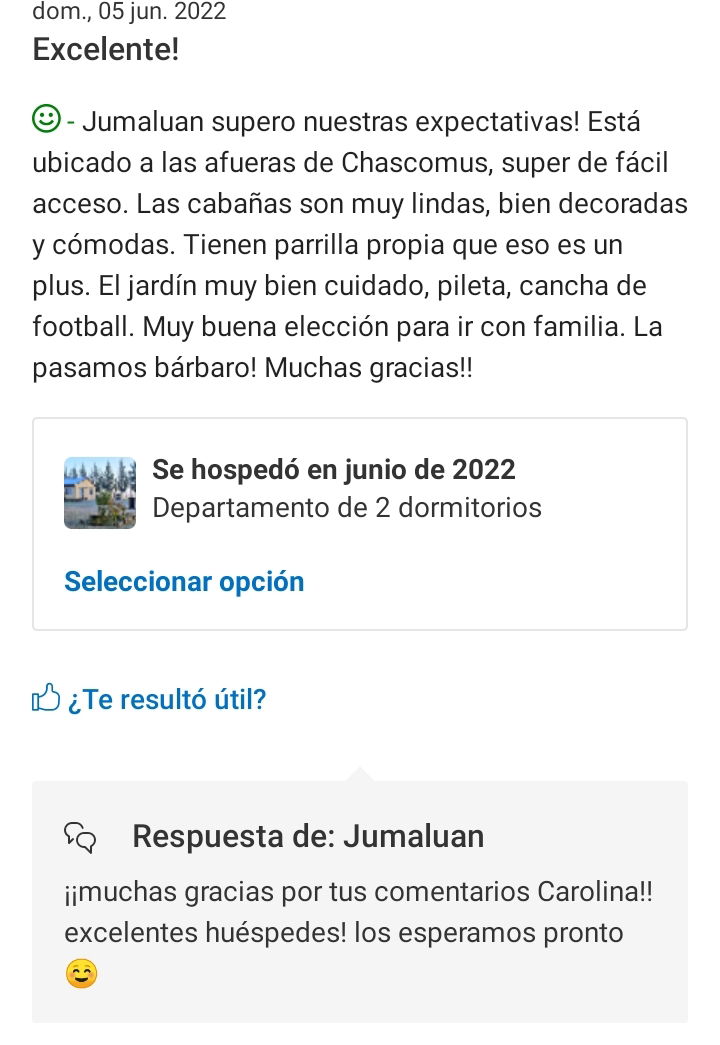
Comments
Contact Us
- Juana de Azurduy 925, Chascomús, Buenos Aires Province, Argentina
 +undefined-221-6282480 - WhatsApp
- +undefined-2241-458137 - Remainder Postcard
- jumaluan.chascomus@gmail.com
- Check-in 12:00 PM Check-out 10:00 AM
About us
"Jumaluan...a place to rest"
Misión
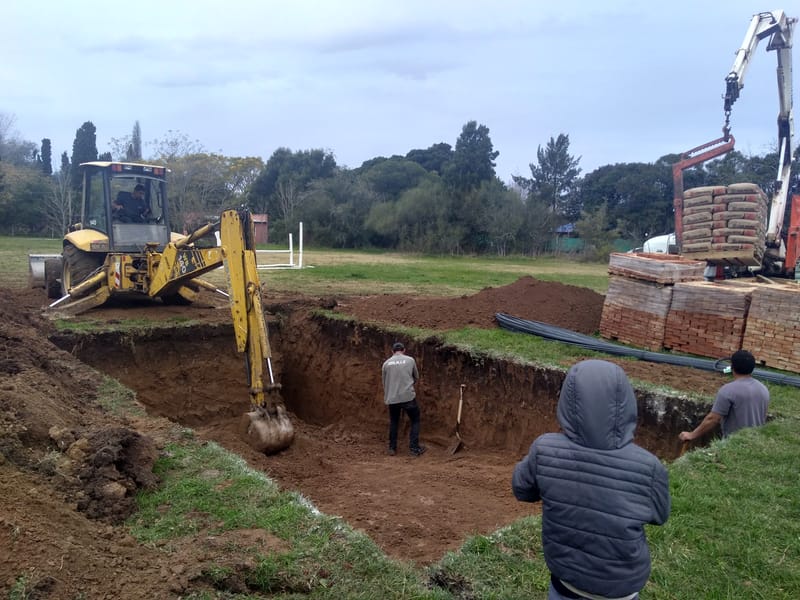
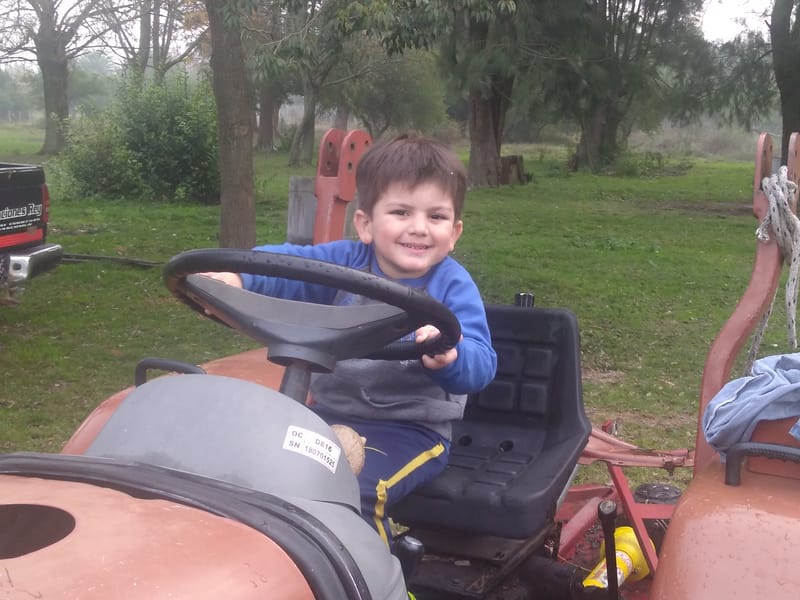
Somos un matrimonio joven y emprendedor que iniciamos este proyecto con muchísimas ganas y expectativas. Con experiencia en el rubro de servicios (tuvimos restaurante/café en la ciudad de la Plata) incursionamos en el hospedaje con esta propuesta de cabañas totalmente equipadas, desarrolladas en un amplio lote, priorizando la tranquilidad y el ambiente familiar
Visión
Convertirnos en un establecimiento de referencia en el sector turístico y ser reconocidos por brindar a nuestros visitantes una experiencia de calidad en armonía con el entorno natural y cultural de la región.